Shop Sets
Set Collection


Raw cuisine in Japan is often synonymous with sushi and sashimi, but that narrow view misses a fascinating and sometimes controversial side of the country’s food culture. Among the most notable are torisashi, yukhoe, and kujira. For those curious about Japanese chicken and other unconventional delicacies, these dishes offer a deeper look into Japan’s culinary landscape.
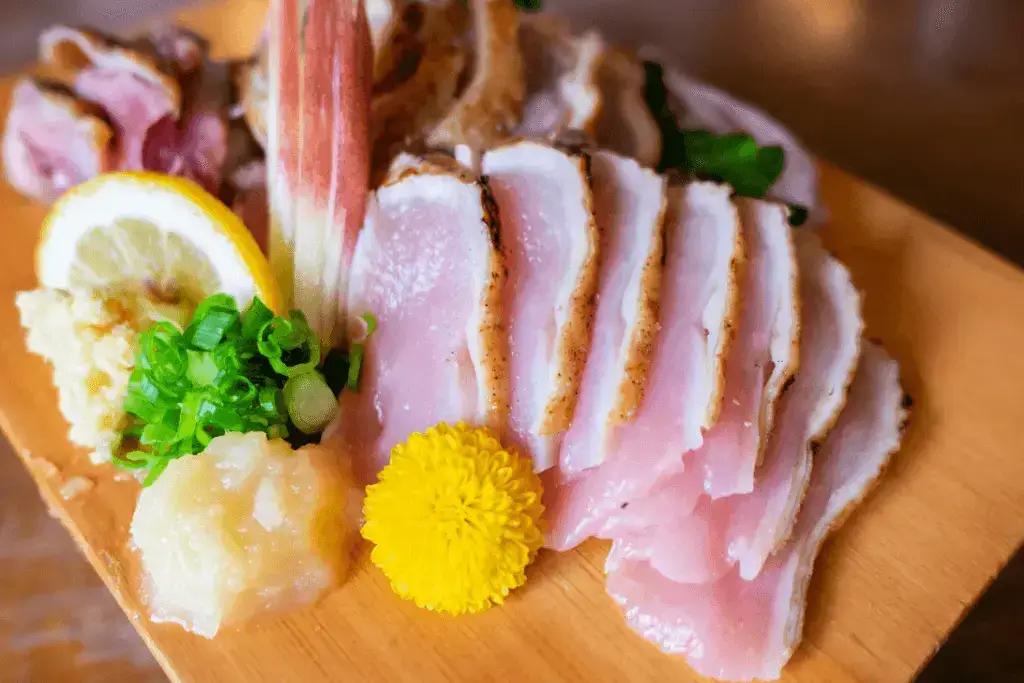
Eating raw poultry may seem surprising. But Japanese chicken dishes like torisashi have been a specialty in southern Japan for many years, especially in Kagoshima and Miyazaki. In these regions, chicken is sometimes served raw or lightly seared (tataki). It is sliced thin and paired with soy sauce, garlic, ginger, or yuzu kosho.
Torisashi is typically made from very fresh meat, often processed quickly after slaughter and served the same day. Farmers and suppliers in these regions follow strict handling practices designed to reduce contamination risk.

However, please keep in mind: these measures reduce risk but do not eliminate it. Japanese health authorities continue to warn against eating raw or undercooked poultry. It can cause foodborne illnesses, including those caused by Campylobacter and Salmonella.
This means torisashi exists in a careful balance between tradition and risk management. It is usually served at specialty establishments experienced in sourcing and preparing Japanese chicken for raw consumption. Even within Japan, many people avoid it entirely, while others treat it as a regional delicacy best enjoyed in trusted settings.
In terms of flavor, torisashi is subtle and clean. Unlike cooked chicken, which develops deeper savory notes, raw Japanese chicken has a mild taste with a faint sweetness and a soft, slightly firm texture. When lightly seared on the outside, it gains a delicate contrast that enhances both aroma and mouthfeel.
While torisashi reflects regional Japanese tradition, yukhoe represents cross-cultural influence. Yukhoe comes from Korea. It is made with finely sliced or shredded raw beef. The meat is seasoned with soy sauce, sesame oil, garlic, and sugar. It is often topped with a raw egg yolk. In Japan, it is commonly found in yakiniku restaurants.
The dish became popular in Japan for its rich flavor and luxurious texture, but its history also includes a turning point. In 2011, a fatal food poisoning incident linked to raw beef dishes led to stricter nationwide regulations. As a result, serving raw beef—including yukhoe—now requires rigorous compliance with safety standards, and availability has become more limited than before.

Today, yukhoe in Japan is typically prepared using high-quality beef that meets specific safety guidelines. The flavor profile is bolder than that of Japanese chicken dishes like torisashi. It combines the umami of raw beef with the nuttiness of sesame oil and the richness of egg yolk, creating a dish that feels both indulgent and balanced.
Its continued presence on menus highlights Japan’s ability to adapt and regulate imported food traditions. Rather than disappearing entirely, yukhoe evolved into a more controlled and carefully managed offering.
Are you looking for great knives to prepare your cuisine? Check out ZAKU! ZAKU has authentic knives handmade in Japan for all of your culinary needs!

Kujira, or whale meat, occupies a very different place in Japanese cuisine. Historically, it was an important source of protein, particularly in the years following World War II, when food was scarce. Today, kujira is far less common, but it remains part of Japan’s culinary heritage.
Whale meat can be served in several ways, including sashimi-style preparations where it is eaten raw. Different cuts offer different textures, from lean and slightly chewy to fatty and tender. The flavor is often described as robust and somewhat gamey, closer to red meat than seafood.

However, kujira is no longer an everyday food for most people in Japan. Its consumption is largely limited to specialty restaurants, certain regions, and older generations who grew up eating it. It is also a subject of international controversy due to environmental and ethical concerns, which have further shaped its modern perception.
From a culinary standpoint, kujira demonstrates that raw preparation techniques extend beyond fish to less familiar proteins. From a cultural standpoint, it reflects how food traditions can persist even as public opinion shifts.
What ties torisashi, yukhoe, and kujira together is not just their raw preparation, but the precision and care required to serve them. In Japan, raw cuisine is built on a foundation of trust—trust in sourcing, handling, and the chef’s expertise.
At the same time, it is not without risk. Dishes involving raw Japanese chicken or beef are subject to ongoing scrutiny and regulation, and they are not universally accepted even within Japan. This duality is essential to understanding the role these foods play: they are respected traditions, but also ones approached with caution.

For diners, exploring these dishes offers more than novelty. It provides insight into regional practices, historical influences, and the evolving nature of Japanese food culture. Whether it’s the delicate simplicity of torisashi, the rich complexity of yukhoe, or the layered history of kujira, each dish tells a story that goes far beyond the plate.
In the end, raw cuisine in Japan is about more than just eating ingredients in their uncooked form. It is about technique, context, and an ongoing dialogue between tradition and modern standards. For those interested in Japanese chicken and other lesser-known delicacies, it offers a compelling and nuanced way to experience Japan’s culinary identity.
©2026 ZAKU Knife - All rights reserved
SUBSCRIBE TO OUR NEWSLETTER
Bet the first to know about our latest and exclusive deals