Shop Sets
Set Collection


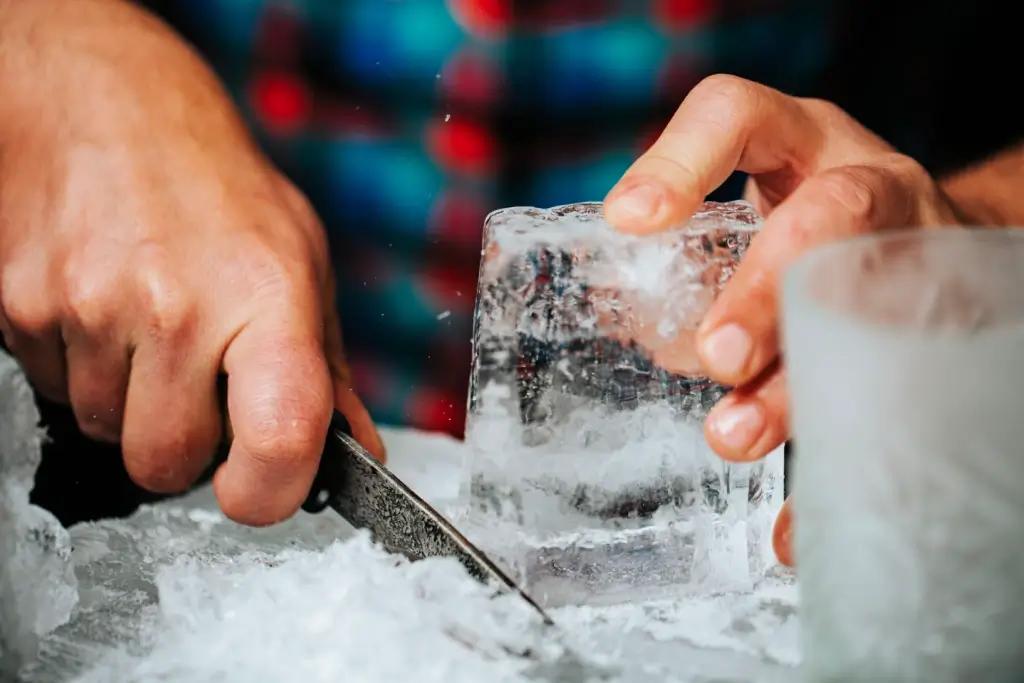
A Japanese ice knife is a special tool that turns regular ice into beautiful shapes, such as spheres, cubes, or thin shavings. It has a long, thin blade, usually around 13 inches long, made from strong stainless steel.
Bartenders love it because it makes drinks look amazing and keeps them cold just right. This tool helps create clear, fancy ice that makes cocktails taste better and look pro-level.
An ice knife is a long, flat tool made just for cutting and shaping ice. It looks like a big, sharp putty knife or a thin sword for ice. The blade is usually one-sided, meaning only one edge is sharp, which makes it safe and easy to control. Most are about 13 inches long from handle to tip, with a wooden handle that fits nicely in your hand. The steel is high-carbon stainless, so it stays sharp and doesn’t rust easily if you dry it after use.

Japanese ice knives reflect Japan’s love of perfect details in food and drinks. They started in the 1800s when chefs used thin blades to cut fish super thin for sashimi. Later, after cocktails became popular in Japan after World War II, bartenders began using similar knives for ice. Japan has a big whisky culture, and clear ice is key for drinks like highballs, where you want slow melting and no weird tastes.
You hold this like a chef’s knife, but push it straight down into ice blocks. It peels off super-thin layers, leaving smooth, shiny ice that sparkles. Unlike round files or picks, the flat blade lets you make flat sides, curves, or even hollow spots fast.
People can also use it for more than drinks. Chefs shave ice for desserts like kakigori (shaved ice with syrup). At home, you can thinly slice fruit peels or shape chocolate. The knife needs clear ice to shine; cloudy ice from trays won’t look good. Make clear ice by boiling water first or freezing in one direction so bubbles rise to the top.
The knife has a thick blade on one side that stays sharp even after lots of use. The steel is tough but bends a little, so it’s easy to shape ice. The handle is wood or steel and feels good to hold, even when it’s wet. You push the blade into clear ice, and it peels off thin slices, leaving smooth, shiny surfaces.
It’s not like big chisels. The thin blade lets you make detailed cuts, like wavy edges or hollow spots. Good ones from brands like Kobashiya or Mercer cost $100 to $200. To take care of it, wash by hand, dry right away, and sharpen it now and then so it doesn’t rust.
Are you looking for great knives? Check out ZAKU! ZAKU has authentic knives handmade in Japan for all of your culinary needs!

Bartenders use the ice knife to make ice that fits each drink perfectly. For an old-fashioned, they cut a large cube to fill the glass, leaving no space. For highballs or martinis, they shave ice or make balls that melt slowly. Tiki drinks get hollow ice to hold the punch without spilling.
Ice machines make cubes quickly, but they often turn out cloudy and bubbly. In addition, chainsaws cut big blocks for parties but leave rough edges. You can also use mallets and bags to smash ice for simple drinks, but you can’t shape it into a nice cube.

On the other hand, the ice knife is quick like power tools but makes smooth, pretty ice. In Japan, drinks like mizuwari are served with ice first, so this tool is key. It started from old fish-cutting knives and grew popular after World War II with whisky drinks.
It takes practice. Hold the ice steady with a towel, tilt the blade 20 degrees, and push down smoothly. Watch videos from Tokyo bartenders: keep shoulders loose, wrist strong. Newbies start with cubes, then try balls.
Stay safe: keep fingers away, wear cut-proof gloves if scared, and cover the blade when done. Soon, it feels natural and makes bar-quality ice.
Japan’s knife shows their love for perfect details in food and drinks. It fits their idea of excellent service. Now, bars in New York and London use them too. Bartenders talk about the best steel and most transparent ice. Clear ice melts just right, chills without watering down, and looks cool under lights.

Pros use it to make drinks faster and fancier, so it pays for itself. At home, pair it with cheap clear-ice trays for great cocktails. There’s a bit to learn, but you get slow-melting ice, cool looks, and happy friends. Ice isn’t just cold water; it’s part of the drink. The Japanese ice knife makes it shine, proving that good tools make great cocktails. Do you have an ice knife or plan to buy one? Let us know in the comments below!
©2026 ZAKU Knife - All rights reserved
SUBSCRIBE TO OUR NEWSLETTER
Bet the first to know about our latest and exclusive deals