Shop Sets
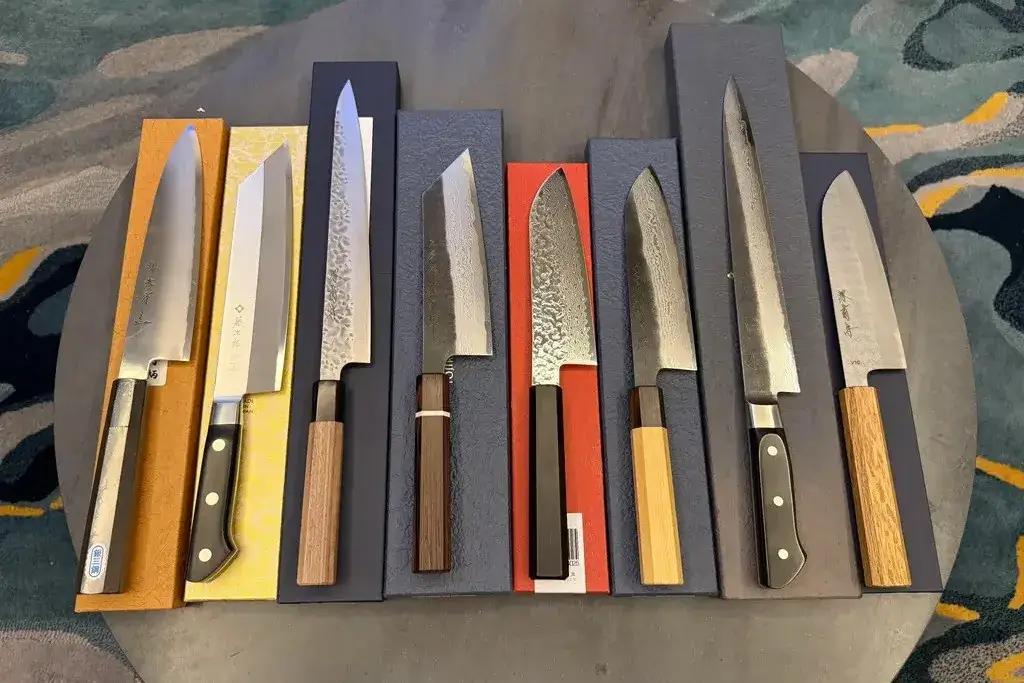
Set Collection



The Honbazuke method is a traditional knife sharpening technique that sharpens kitchen knives to a very fine edge. This process is commonly used for high-quality Japanese knives before they are used in professional kitchens.
Craftsmen use whetstones and careful hand movements to refine the edge and improve cutting performance. Many knives leave the factory with a basic edge that still needs this final sharpening step.
The honbazuke (本刃付け) method refers to the traditional hand-sharpening process used to refine the edge of a Japanese knife. The term “honbazuke” roughly translates to “true edge setting” and refers to the final sharpening performed on a blade. Many high-end knives receive this sharpening before they are sold or used by chefs. The goal is to produce a precise and durable edge that cuts cleanly through ingredients.

The method is especially important for traditional Japanese knives made from high-carbon steel. Blades such as the yanagiba, deba, and usuba rely on precise sharpening to maintain their performance. For single-bevel knives, the process may involve refining the front of the blade more than the back. Proper sharpening can greatly affect how smoothly the knife slices food.
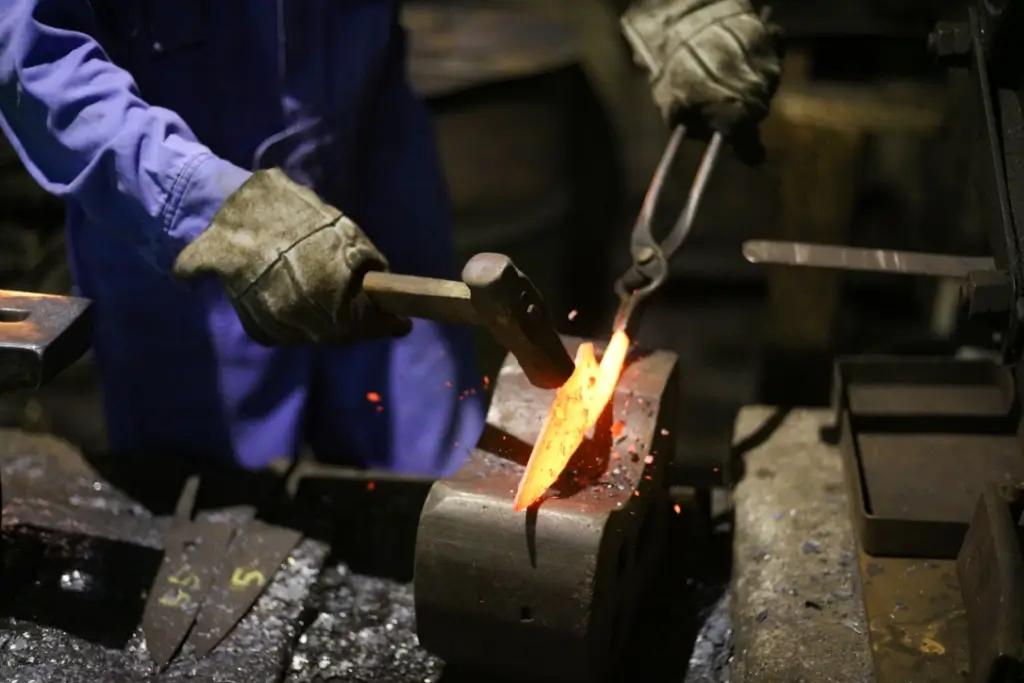
In Japan, knife production often involves several specialists working together. One craftsman forges the blade, another handles heat treatment, and another sharpens the edge. The final sharpening stage is where Honbazuke is performed. This step ensures the knife is properly prepared for professional kitchen use. The sharpener’s experience plays a major role in the blade’s final cutting performance.
Many professional chefs also perform their own Honbazuke sharpening before using a new knife. This allows them to adjust the edge angle to match their cutting style. Some knife retailers even offer honbazuke sharpening services before shipping a knife to customers. The process adds time to the preparation but improves the blade’s final sharpness. As a result, Honbazuke sharpening remains a respected part of Japanese knife culture.
Are you looking amazing knives? Check out ZAKU! ZAKU has authentic knives handmade in Japan for all of your culinary needs!

The honbazuke process relies on a specific set of sharpening tools. The most important tools are Japanese whetstones, also called toishi. These stones come in different grit levels that gradually refine the blade edge. Coarse stones reshape the edge, while medium stones refine it further. Fine finishing stones polish the edge to create a very sharp surface. Each stage prepares the blade for the next level of sharpening.

Other tools may also be used during the sharpening process. A nagura stone is sometimes rubbed on a finishing stone to create a fine slurry that improves polishing. Leather strops can also be used to remove burrs left after sharpening. These tools help achieve the smooth and consistent edge expected from traditional Japanese knives. Each tool plays a specific role in achieving the final sharpness.
The honbazuke method usually follows a series of sharpening stages. The first stage shapes the blade edge using a coarse stone or grinding wheel. During this stage, the sharpener sets the edge angle, which is often between 15 and 20 degrees, depending on the knife. The goal is to establish a consistent edge along the entire blade. This stage removes imperfections and prepares the knife for finer sharpening.
The next stage refines the blade edge using a medium-grit stone. The sharpener moves the blade across the stone with steady pressure to smooth the edge. This step removes scratches left by the coarse stone and improves cutting ability. The final stage uses a very fine stone or leather strop to polish the edge. This finishing step produces the razor-like sharpness associated with Japanese knives.
Honbazuke sharpening is important because it improves a knife’s performance. A carefully sharpened edge cuts more cleanly and requires less force when slicing ingredients. This can help chefs maintain precision when preparing delicate foods such as fish or vegetables. The sharpening process also preserves the blade’s geometry for future maintenance. A properly shaped edge is easier to sharpen again later.
Another benefit is that honbazuke sharpening protects the blade from unnecessary wear. Machine sharpening can sometimes remove too much steel or generate excess heat. Hand sharpening allows the craftsman to control the process and adjust the angle carefully. This helps maintain the blade’s strength and durability. Many knife makers consider Honbazuke the final step in completing a knife.
Even with modern manufacturing technology, the Honbazuke method remains relevant in the knife industry. Many factory knives are sharpened quickly to meet production demands. While this produces a usable edge, it may not match the precision of hand sharpening. Honbazuke sharpening allows a skilled craftsman to refine the blade more carefully. This extra attention helps bring out the knife’s full cutting ability.

Professional chefs and cooking enthusiasts also continue to value this technique. Japanese cuisine often requires precise cuts when preparing ingredients such as fish, vegetables, and noodles. A properly sharpened blade makes these tasks easier and more consistent.
Because of this, many chefs still sharpen new knives using honbazuke methods before using them in the kitchen. Did you know about the honbazuke method? How do you sharpen your knives? Let us know in the comments below!
©2026 ZAKU Knife - All rights reserved
SUBSCRIBE TO OUR NEWSLETTER
Bet the first to know about our latest and exclusive deals