Shop Sets
Set Collection


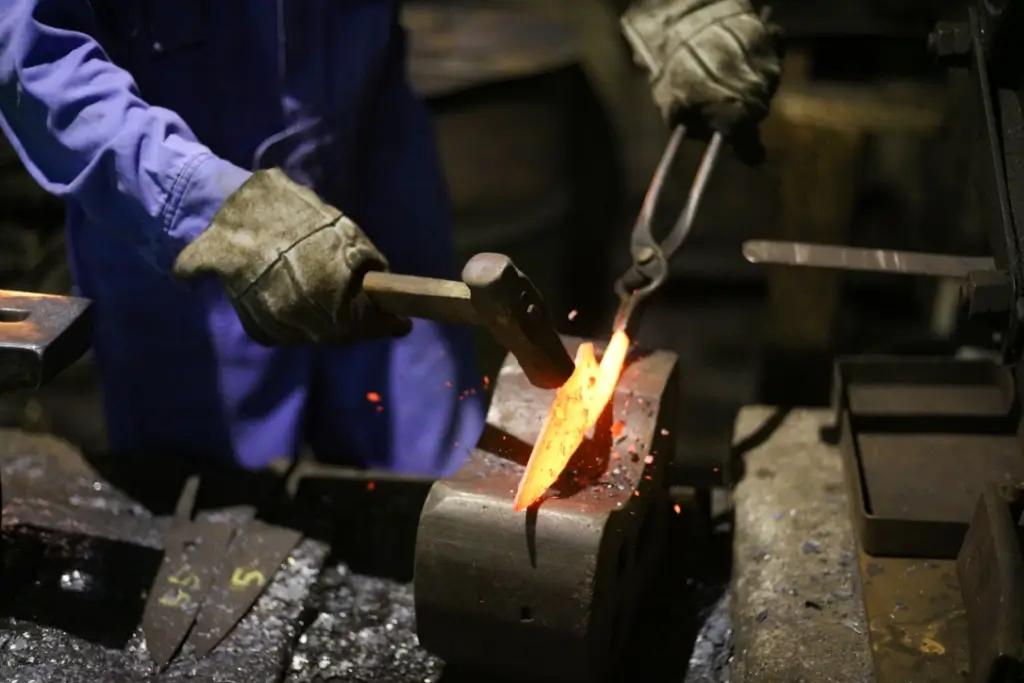
The blacksmith has played an important role in Japan’s craft traditions for centuries. Techniques developed by swordsmiths later influenced the production of kitchen knives and tools used across the country.
Today, several workshops offer visitors the opportunity to experience these techniques through guided blacksmithing classes. Participants can heat steel in a forge, hammer it into shape, and finish a working blade.
Knife-making workshops have become a popular cultural activity for visitors interested in traditional crafts. Many workshops focus on kitchen knives because they are practical tools that can often be completed within a single day. Participants usually start with a prepared piece of steel that has already been shaped into a rough blade. The instructor shows how heating and hammering refine the metal and strengthen the blade structure.
Many blacksmithing experiences are in regions known for blade production, like cities such as Seki in Gifu Prefecture and areas around Kyoto. Local workshops preserve these traditions by teaching beginners forging methods. Visitors learn how to control temperature, shape metal with hammer strikes, and grind the blade to its final form. By the end of the session, participants leave with a knife they forged themselves.
One of the best-known knife-making workshops is Asano Kajiya in Gifu Prefecture. The workshop is led by master blacksmith Taro Asano, who has decades of experience teaching forging techniques. Participants spend several hours working with a utility knife under the instructor’s direct guidance. The process includes heating steel in a forge, hammering it to shape the blade, and refining the metal with files.

The experience usually lasts around six to seven hours and includes breaks during the forging process. Because forging requires repeated heating and hammering, the workshop moves through several stages of shaping and refinement. The workshop takes place in a traditional Japanese farmhouse that serves as the forge. The finished knife becomes a unique souvenir created during the workshop.
Near Kyoto, the Masahiro Tantojo forge also offers a workshop where participants create a small knife known as a kogatana. The experience is guided by a professional swordsmith who works in the traditional forging style used for Japanese blades. Participants heat the steel, hammer it into shape, and adjust the blade as they go. The instructor explains how similar methods are used when forging larger Japanese swords.

The forge is located in Kameoka, a rural area about an hour from Kyoto City. The workshop includes explanations about the structure and craftsmanship of Japanese blades. Participants learn how hammer strikes shape the steel and influence the knife’s final form. The swordsmith supervises each stage to ensure the blade develops correctly. The workshop combines traditional craftsmanship with a structured learning environment.

Workshop Kurogane in Kochi Prefecture offers both one-day and multi-day blacksmithing courses. Participants can forge their own knife using traditional techniques under the supervision of a professional blacksmith. The one-day workshop focuses on forging, grinding, and heat-treating a knife made from modern steel. These steps demonstrate the basic processes involved in Japanese blade-making.

The workshop is located near the Shimanto River in a rural environment surrounded by forests and mountains. Multi-day programs are also available for people interested in deeper training. In these courses, participants learn how to smelt traditional steel from iron sand before forging a blade. This process mirrors historical methods used to produce tamahagane steel. The extended course offers a deeper look at the metalworking process.
Another knife-making workshop is offered by Kanetaka Hamono in Kyoto. This experience allows participants to work in a historic smithy while forging their own knife. Visitors learn how to tend the forge fire and heat the steel before shaping it with hammer strikes. The workshop also introduces grinding and finishing techniques used in professional cutlery production.

The workshop focuses on the craftsmanship behind traditional Japanese cutlery. Participants observe the blacksmith’s demonstrations before attempting each step themselves. This structure helps beginners understand how metal responds to heat and pressure. Some versions of the experience allow participants to select and customize the knife handle, resulting in a knife connected to the traditional smithy where it was made.
In Tokyo, visitors can participate in a smaller workshop led by master blacksmith Yasuhiro Okawara. This experience takes place in the craftsman’s private forge and focuses on traditional hand-forging methods. During the session, visitors observe the forging process and may strike heated steel under supervision. The workshop also includes explanations of polishing and sharpening techniques used in knife production.

The program usually lasts around seventy-five minutes and emphasizes close observation of the forging process. Because the workshop is small, participants can interact directly with the blacksmith during demonstrations. The instructor explains how heat, hammering, and polishing shape the blade’s performance. The experience offers a rare opportunity to step inside an active urban forge.
Blacksmithing workshops provide a hands-on way to understand Japanese craftsmanship. Many traditional crafts can be observed in museums, but forging allows visitors to participate. The experience shows how heat, pressure, and skill transform steel into a tool. Participants gain an appreciation for the time and training required to produce high-quality blades. Workshops include explanations about local crafts and historical techniques.
Another reason to try these workshops is the opportunity to create a personal tool. Instead of buying a knife or tool, participants leave with something they produced themselves. The process teaches practical skills such as sharpening and blade maintenance.
Many workshops take place in rural or historic areas connected to metalworking. The experience combines travel, education, and hands-on learning in a single activity. Have you ever tried one of these workshops before? What was your experience like? Let us know in the comments below!
©2026 ZAKU Knife - All rights reserved
SUBSCRIBE TO OUR NEWSLETTER
Bet the first to know about our latest and exclusive deals