Shop Sets
Set Collection


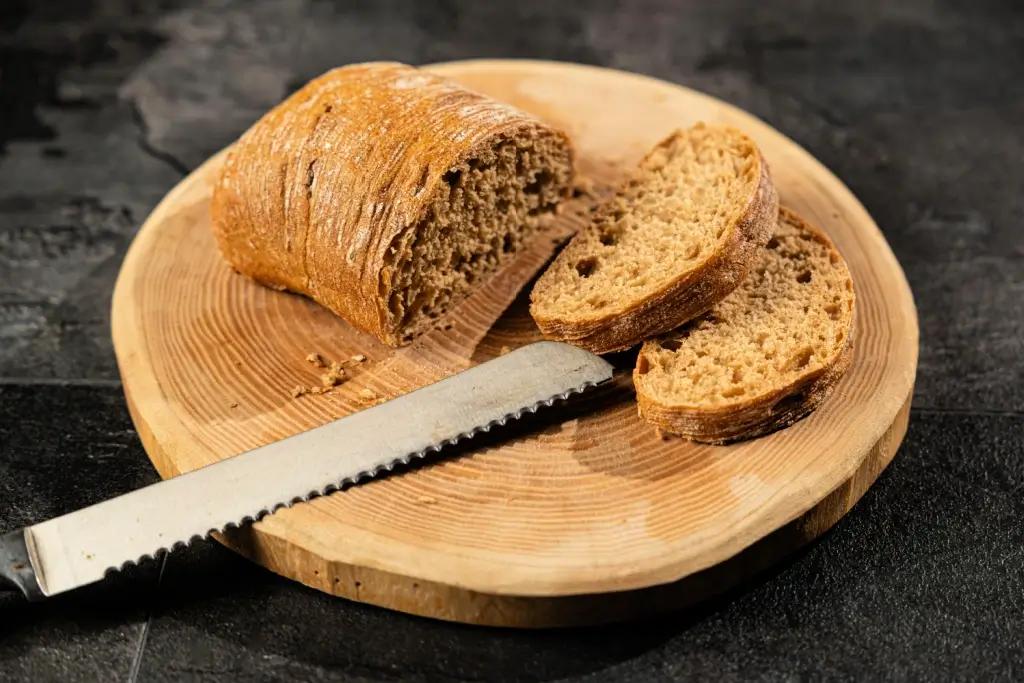
In Japan, precision and respect for craftsmanship define every kitchen tool and the serrated knife, known locally as the pankiri, is no exception. Designed specifically for slicing bread, this knife has become an essential part of both professional and home kitchens across Japan. Its saw-like teeth glide effortlessly through soft loaves without crushing them, making it perfect for Japan’s famous shokupan.
A serrated knife has a blade lined with small, pointed teeth that cut through food with a sawing motion rather than force. These serrations grip the surface of bread, pastries, or fruits with tough skins but soft interiors, making each slice clean and smooth. This design prevents crushing delicate foods while maintaining texture and structure. In Japan, serrated knives are often used for bread, cakes, sandwiches, and soft fruits.

Unlike smooth-edged knives like the santoku or gyuto, serrated knives remain sharper for longer because only the tips of the teeth make contact with the food. This allows them to maintain cutting efficiency even after months of use. However, this does not mean they are maintenance-free. Many Japanese serrated knives combine modern design with traditional forging techniques to ensure durability and precision.
At first glance, the pankiri and Western bread knife appear similar, but they differ in design. Western bread knives are often heavier, emphasizing durability and grip, while Japanese pankiri knives are lighter and thinner, prioritizing precision. The fine serrations on a pankiri allow it to glide smoothly through soft textures like shokupan, preserving both crust and crumb. Its delicate balance makes it particularly suited for Japan’s lighter, airier breads.

Another notable difference lies in craftsmanship. Japanese knife makers use harder steel and thinner blades to achieve cleaner cuts, thereby minimizing tearing. Handles are typically made of wood or Pakkawood, providing a comfortable grip for extended use. Each knife reflects Japan’s traditional values of harmony and refinement, transforming a simple kitchen tool into a work of functional art.
The pankiri was introduced during the Meiji era when Western-style baking became popular in Japan. As bread-like shokupan gained fans, Japanese artisans began crafting serrated knives designed for the country’s soft, airy loaves. The long, narrow blade of a serrated knife allows for smooth, effortless slicing, preserving the loaf’s fluffy texture. Many Japanese households now consider it an essential kitchen tool.

Cities such as Sakai in Osaka remain well-known for producing high-quality pankiri. Local craftsmen there apply centuries-old techniques used initially for swords and chefs’ knives. Modern knives from these regions combine precision forging with corrosion-resistant steel. The design may seem simple, but it reflects generations of refinement. Each knife embodies a perfect blend of practicality and skilled craftsmanship.
Although the pankiri was initially designed for bread, its role in Japanese kitchens has grown far beyond that. Professional chefs now use it to slice castella, roll cake, and even soft wagashi sweets without crushing their delicate textures. Its fine serrations glide cleanly through layers, making it ideal for desserts and pastries that require precision. The same motion that cuts bread smoothly also works for fruits and vegetables with thin skins.

Home cooks also rely on serrated knives for everyday dishes. It’s beneficial for preparing tamago sando, fruit sandwiches, or breakfast toast, where even slices make a visual difference. The knife’s gentle motion ensures clean cuts without tearing or uneven edges. Using a pankiri encourages attention to presentation. With good care, it becomes a reliable tool that combines precision, ease, and cultural elegance in daily cooking.
Are you looking for great knives for many different purposes? Check out ZAKU! ZAKU has authentic knives handmade in Japan for all of your culinary needs!

Proper care ensures that your pankiri remains sharp, clean, and long-lasting. Always wash it by hand with mild soap and warm water. The high heat and detergent of dishwashers can dull or warp the blade and loosen the handle. When cleaning, move a soft sponge along the direction of the serrations to avoid bending or damaging the teeth. After washing, dry the knife immediately to prevent rust and maintain the blade’s pristine condition.

Sharpening a serrated knife requires patience and the proper technique. Unlike flat blades, a standard whetstone cannot be used for serrated edges. Instead, a ceramic sharpening rod that fits between each tooth is ideal. Work slowly, focusing only on the beveled side of the blade. For expensive serrated knives, it’s often best to take them to a professional sharpener who understands Japanese blade geometry and can preserve their craftsmanship.
A pankiri is designed for both practicality and precision. Its saw-like edge cuts smoothly with little pressure, reducing the chance of crushing soft bread or slipping during use. This makes it ideal for slicing pastries and fruits with firm skins, such as tomatoes or pineapples. The result is neat, consistent slices that preserve texture and appearance. A good serrated knife helps you work efficiently and safely in the kitchen.

Beyond convenience, the pankiri also reflects Japan’s focus on thoughtful design. Every knife is made with balance and control in mind, allowing users to cut comfortably and accurately.
With proper maintenance, this knife can last for many years without losing its sharpness. It’s a dependable tool that brings together function, durability, and craftsmanship. Do you have a pankiri in your kitchen? What do you use it for? Let us know in the comments below!
©2026 ZAKU Knife - All rights reserved
SUBSCRIBE TO OUR NEWSLETTER
Bet the first to know about our latest and exclusive deals