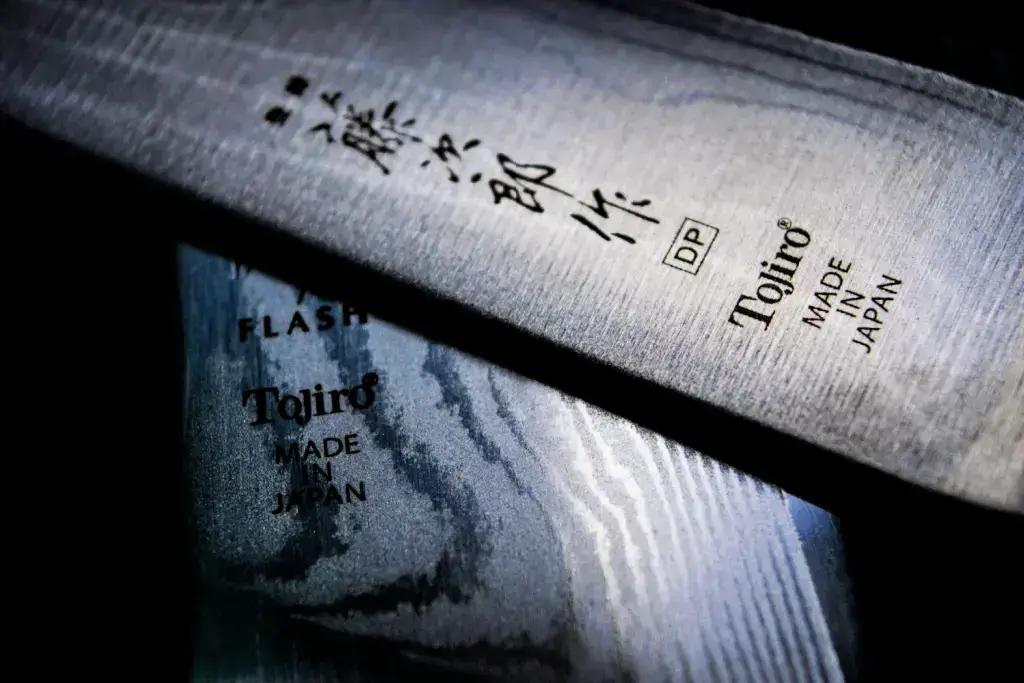
Shop Sets
Set Collection


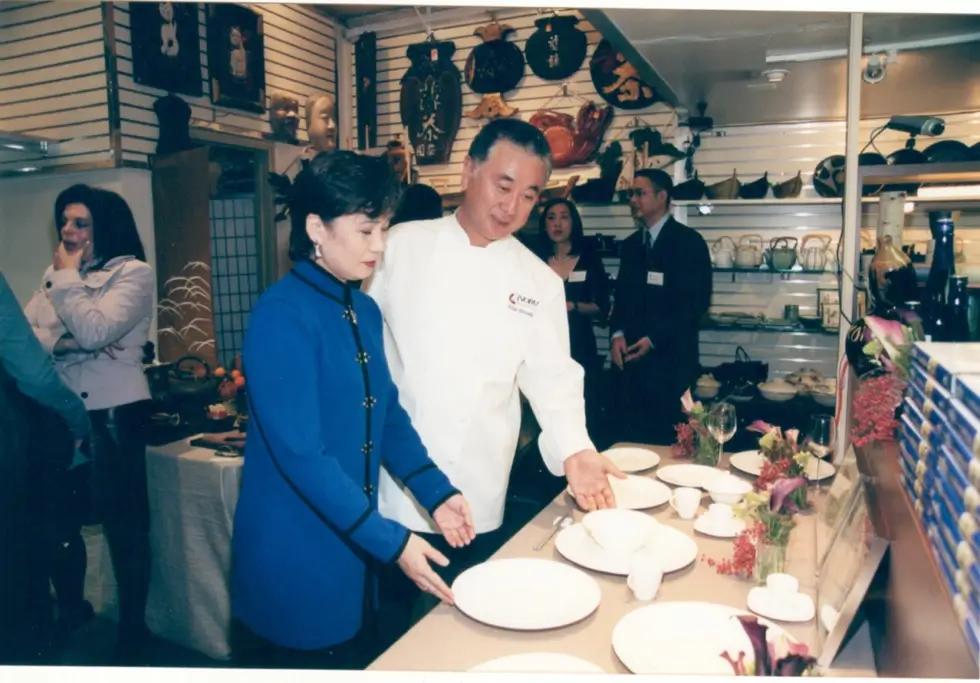
Saori Kawano is the founder and president of Korin, a New York–based importer of Japanese knives, tableware, and kitchen tools. After arriving in the United States from Japan, she recognized a lack of understanding of Japanese culinary tools in American kitchens. Over time, her company became closely connected to the growth of Japanese knife culture in the United States.
Saori Kawano moved to New York City in 1978 with limited English and little professional support. She worked as a waitress at a Japanese restaurant while learning how American restaurants operated. During this time, she noticed that Japanese tableware and tools were difficult to find. In 1982, she and her husband founded Korin to address that gap. The early business focused on supplying Japanese restaurants with familiar, high-quality items.

In its first years, the company relied heavily on direct outreach and personal relationships. Kawano visited restaurants herself, explained the uses of the products, and handled deliveries. Most early customers were Japanese-owned establishments already familiar with the tools. Gradually, she began working with non-Japanese chefs who were curious but inexperienced with Japanese equipment.
Japanese knives were not widely used in American restaurants when Kawano began importing them. Many chefs were unfamiliar with single-edged blades and the care they required. Kawano realized that successful adoption depended on explicit instruction rather than marketing alone. The company began offering explanations, demonstrations, and written guides to support proper use.

This educational focus helped chefs understand why these knives performed differently. As more chefs adopted Japanese knives, word spread through professional networks. Well-known restaurants began sourcing tools through Korin, increasing its visibility. The Tribeca showroom became a place where chefs could ask detailed questions and receive practical advice. Over time, Japanese knives became standard tools in many U.S. kitchens.
A key part of Kawano’s success was her focus on earning trust within the culinary community. She worked closely with chefs to understand their needs and working conditions. Products were recommended based on function rather than trends or price alone. This honest approach helped establish credibility from the outset. Chefs viewed the company as a reliable resource, rather than just a supplier.
Long-term relationships became central to business growth. Many chefs returned repeatedly as their careers progressed. Word-of-mouth recommendations played a significant role in expanding the customer base. This trust-based model facilitated steady expansion without the need for aggressive marketing. It also reinforced the company’s reputation for expertise and consistency.
Are you looking for well-made knives for your kitchen? Check out ZAKU! ZAKU has authentic knives handmade in Japan for all of your culinary needs!

Kawano expanded her work beyond retail by supporting culinary education and exchange. In 2005, she founded the Gohan Society, a nonprofit organization dedicated to connecting chefs in Japan and the United States. The organization offers opportunities for professional development and cultural enrichment. These programs emphasize traditional techniques and respect for craftsmanship. They also reinforce the idea that tools are connected to food culture.

Through workshops, partnerships, and mentorship, Kawano became a respected figure in culinary circles. Her work helped shape how Japanese tools are taught and understood in professional kitchens. The company’s role evolved into that of an industry resource rather than a simple supplier. Chefs often rely on its guidance when selecting and maintaining equipment. This influence extends beyond New York into kitchens across the country.
Over several decades, Korin grew from a small importer into a recognized name among professional chefs and serious home cooks. The business expanded its inventory while maintaining a focus on quality and proper use. Its Tribeca location remains a destination for chefs seeking specialized tools. Kawano’s leadership emphasized consistency, expertise, and trust. These values helped the company maintain credibility in the face of trends.
The broader impact of Kawano’s work is visible in how Japanese tools are now viewed in the U.S. market. Items that were once considered niche are now everyday in professional settings. Chefs approach knives and tableware with greater technical awareness. This shift reflects years of steady education rather than sudden popularity. The company’s growth mirrors that gradual change.
Saori Kawano’s career shows how steady, practical work can reshape an industry over time. Rather than relying on trends, she focused on teaching chefs how to use Japanese tools correctly and confidently. This approach helped reduce hesitation around unfamiliar knives and tableware. Many chefs learned not only what to buy, but why specific tools mattered. That emphasis on understanding remains central to her influence.

Her impact is also visible in how Japanese craftsmanship is discussed in professional kitchens today. Tools are often evaluated based on function, care, and tradition rather than novelty. Kawano helped normalize this way of thinking through direct engagement with chefs.
Moreover, the success of Korin reflects trust built through consistency and expertise. That trust continues to shape how culinary professionals approach Japanese cuisine and its tools and techniques. Did you know about Saori Kawano? What about her company, Korin? Let us know in the comments below!
©2026 ZAKU Knife - All rights reserved
SUBSCRIBE TO OUR NEWSLETTER
Bet the first to know about our latest and exclusive deals