Shop Sets
Set Collection


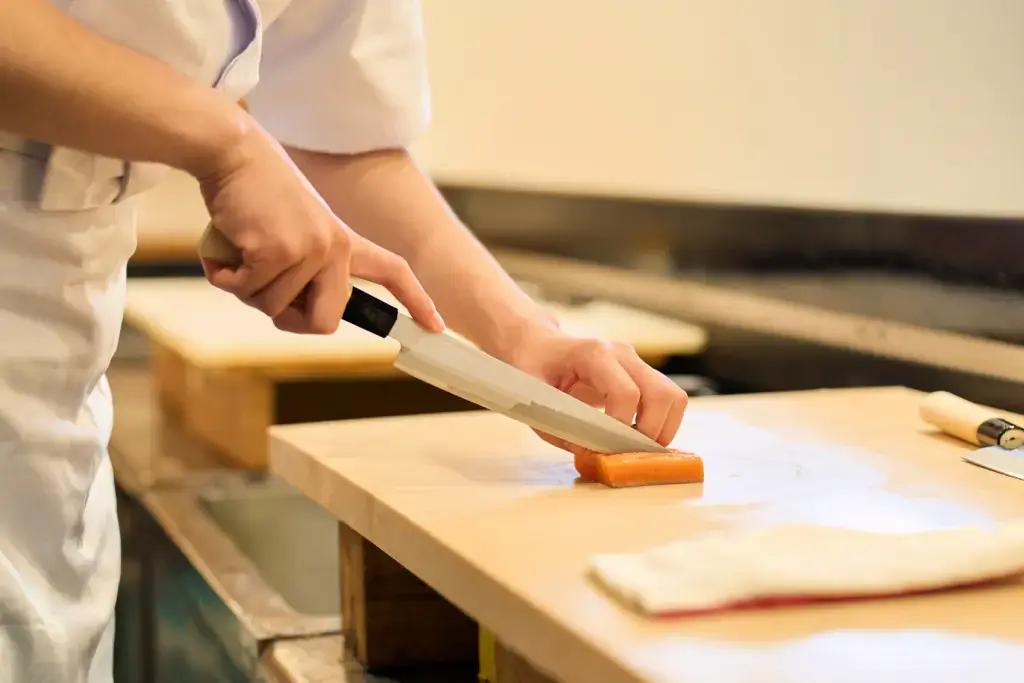
Cemented carbide was once used only for industrial tools such as metal cutting blades, molds, and machinery. Yet the remarkable Japanese kitchen knives in the KISEKI series reveal the true miracle of this material inside our own kitchens.
If you are looking for a durable, rust-resistant cutting tool that also helps preserve the natural quality of ingredients, Japanese kitchen knives made of cemented carbide are worth considering.
Cemented carbide kitchen knives are advanced tools made for clean, bright, and precise cutting in modern kitchens. In the KISEKI knife series, this material creates extreme sharpness with a strong, stable blade structure. As the edge is ultra-thin, it slices smoothly with little force. As a result, food fibers stay neat, and moisture stays inside. Scientifically proven tests show better taste and texture after cutting. Each ingredient keeps its natural sweetness, umami, and fresh feeling.

The structure of cemented carbide is robust. It is more complicated than standard steel, yet carefully engineered for kitchen use. This strength helps the blade stay sharp for a long time. At the same time, the balance makes cutting feel light and safe. Makers at Fukuda Hamono design each knife with careful science and skill. Thus, these Japanese kitchen knives feel reliable, precise, and refined in daily cooking.
KISEKI knives come in popular varieties like Santoku and Petty, each with clear functions. The Santoku is ideal for vegetables, meat, and fish, offering smooth, all-purpose cutting. Meanwhile, the Petty knife is perfect for peeling, trimming, and small, detailed work. Both knives are double-edged and easy to control. Thanks to their light weight, hands feel less tired, making them suitable for both home cooks and careful chefs alike.
The handles are made from natural wood sourced in Gifu, shaped for comfort and balance. Each handle feels warm, smooth, and gentle to hold. Different wood grains make every knife unique and attractive. These knives resist rust and need only simple care.
This Japanese kitchen knife series was developed in Seki City, Gifu Prefecture, a place famous for precision blades. The name KISEKI carries deep meaning and intense emotion. It reflects the knife’s surprising sharpness and the long journey behind it. It also honors Seki, the birthplace of this innovation.
This idea began at Fukuda Hamono Kogyo, a company deeply rooted in manufacturing excellence. Engineers there wanted a kitchen knife beyond the limits of ordinary steel, so they chose cemented carbide, a material almost as hard as diamond. Yet, this material is difficult to shape and very costly. Through patience and careful testing, the team accepted this challenge. Step by step, a new kind of kitchen knife was born.
Fukuda Hamono Kogyo Co. was established in 1896. From the start, the company focused on industrial blades and machine parts. Over time, it supported advanced fields like semiconductor equipment production. This long experience has sharpened their skills to an extreme level of precision. Today, the company is led by Katsunori Fukuta, continuing this careful spirit. Under his leadership, tradition meets modern engineering, preparing the company to enter Japanese kitchen knife making.
The KISEKI project was led by engineer Keisuke Fukuta, who dreamed of perfect sharpness and long edge life. Traditional carbon steel rusted, while stainless steel lost its sharpness too fast, so he searched for a better answer. Cemented carbide offered strength, stability, and lasting sharpness. Still, it required special machines and new processes. Each blade is wire-cut for over ten hours with precise attention to detail. Then diamond grinding creates a smooth, razor-thin edge.
Are you looking for unique Japanese kitchen knives? Check out ZAKU! ZAKU has authentic knives handmade in Japan for all of your culinary needs!


They gained recognition through strict awards and careful expert evaluation. After release, the KISEKI knives attracted strong public attention. News spread fast through television and online media. Orders grew rapidly and reached very high values. Soon, customers faced long waiting times for delivery. This popularity further underscored the knife’s appeal and reliability, helping it quickly stand out among many competitors.
Fukuda Hamono Kogyo received the grand prize from the Chubu Science and Technology Center. This award included a certificate of merit and a special cash prize. Judges highlighted the knife’s rare use of cemented carbide in kitchens. They praised its sharpness, durability, and stable cutting performance.
Evaluation focused firmly on technology and production skills. Experts noted the company succeeded where others could not. They built machines, grinding stones, and sharpening systems just for these blades. Furthermore, they solved complex problems in mass production. This effort took years of testing and fine adjustment. Therefore, the achievement was seen as both scientific and practical.
Having knives made of cemented carbide in your kitchen can support a calmer, cleaner, and more thoughtful way of cooking. They help food keep its natural shape, moisture, and flavor, which gently improves everyday meals. Over time, using well-balanced Japanese kitchen knives can change how you connect with ingredients.

Moreover, cemented carbide knives represent a modern idea of care and longevity. They invite users to value durability, precision, and consistent quality rather than frequent replacement. Many people appreciate how Japanese kitchen knives blend science with a respectful approach to cooking.
Overall, this balance fits well in kitchens that value both tradition and thoughtful progress. Would you like to own such a refined and distinctive kitchen knife? Let me know your thoughts in the comments!
©2026 ZAKU Knife - All rights reserved
SUBSCRIBE TO OUR NEWSLETTER
Bet the first to know about our latest and exclusive deals