Shop Sets
Set Collection



The santoku knife is one of Japan’s most versatile kitchen tools, known for its ability to handle nearly any ingredient with ease. Unlike some knives designed for a single purpose, this knife style is a go-to choice for everyday cooking.
With its balanced size, wide blade, and sharp edge, it combines practicality with precision. For home cooks and professionals alike, the santoku knife has become a staple around the world!
A santoku knife is a Japanese multipurpose kitchen knife that’s designed to handle a wide range of tasks. It usually measures between 6 and 7 inches, making it shorter than a Western chef’s knife but easier to control. The blade has a flat edge and a gently curved tip, which makes it excellent for straight chopping and light rocking cuts. Because it strikes a balance between power and precision, it is often the first Japanese knife people add to their kitchen.

The knife’s name, “santoku,” means “three virtues” or “three uses.” Traditionally, this refers to its skill in cutting meat, fish, and vegetables; however, some cooks interpret it as encompassing slicing, dicing, and chopping. This reflects the knife’s well-rounded design, which can take on nearly any everyday task. The knife is also double-beveled, meaning it’s sharpened on both sides of the blade, making it easier to use for those new to Japanese knives.
The santoku knife was first created in Japan during the early 20th century. It evolved from the nakiri knife, which was mainly used for vegetables, and combined features that made it more versatile. As Western cooking styles gained popularity in Japan, people sought a knife that could handle both traditional Japanese and Western dishes. The three-virtue knife met this need by blending Japanese precision with Western-style utility.

By the post-war period, the knife style had spread widely and gained recognition outside Japan. Its shorter size and lighter feel made it popular in home kitchens where large chef’s knives felt heavy or intimidating. As global interest in Japanese cooking grew, so did appreciation for the knife’s balanced design. Today, it’s considered one of the most accessible Japanese knives for both beginners and experienced cooks.
Are you looking for great knives for your kitchen? Check out ZAKU! ZAKU has authentic knives handmade in Japan for all of your culinary needs!

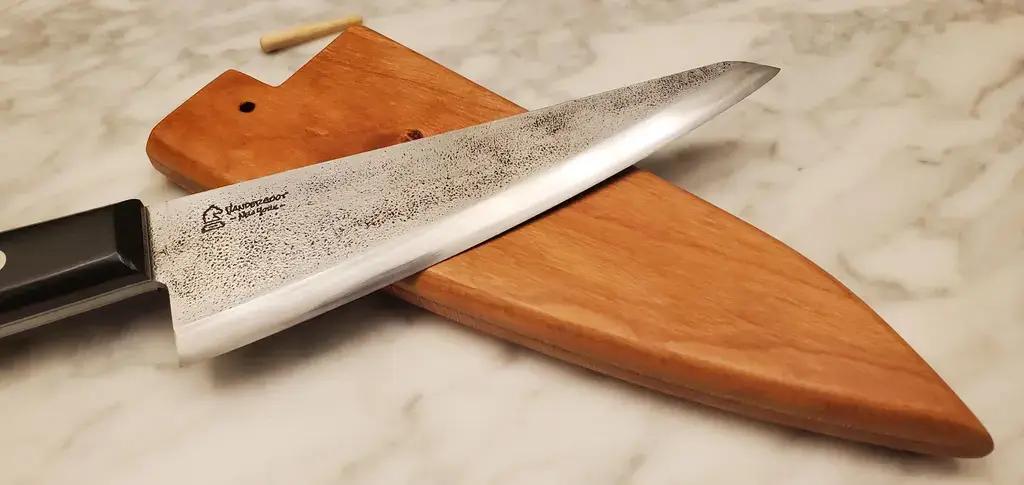
When selecting a knife, it’s essential to consider the steel, sharpness, and handle. High-carbon steel holds a sharp edge longer, but stainless steel is easier to maintain. Some knives also come in Damascus steel, which offers durability and a beautiful rippling pattern. The edge should feel sharp yet smooth, allowing you to slice ingredients effortlessly. For the handle, look for something that balances well with the blade’s weight.

Another feature to consider is whether the blade has a Granton edge, which is a series of small dimples along the side. These help prevent food from sticking to the knife when cutting vegetables or proteins. This style typically has a straighter edge than a chef’s knife, making it excel at chopping. A good knife should feel light, sharp, and natural in your hand. When these features come together, the knife becomes efficient and enjoyable to use.
Compared to a Western chef’s knife, the santoku is shorter and lighter, which gives it more control for detailed tasks. Chef’s knives work better for heavy chopping, while the santoku excels at slicing and dicing. It’s close to the Nakiri, which is a vegetable knife, but the santoku can handle protein just as well. Many cooks appreciate this balance when they only want one or two knives in the kitchen.

In Japanese kitchens, this knife is often paired with other specialized knives, such as the nakiri or yanagiba. However, it’s often enough on its own for casual home cooks. Its wide blade makes scooping ingredients easy, and its sharp edge handles most kitchen tasks smoothly. For those new to Japanese knives, the three-virtue knife is usually recommended as the best starting point.
People use a santoku knife because it offers versatility without sacrificing control. Its shorter blade makes it easy to maneuver, even for cooks with smaller hands or limited counter space. Unlike some specialty knives, it doesn’t require constant switching, as it can handle nearly any ingredient. The knife’s balance makes it comfortable for long prep sessions. For daily cooking, it’s one of the most practical and reliable options available.

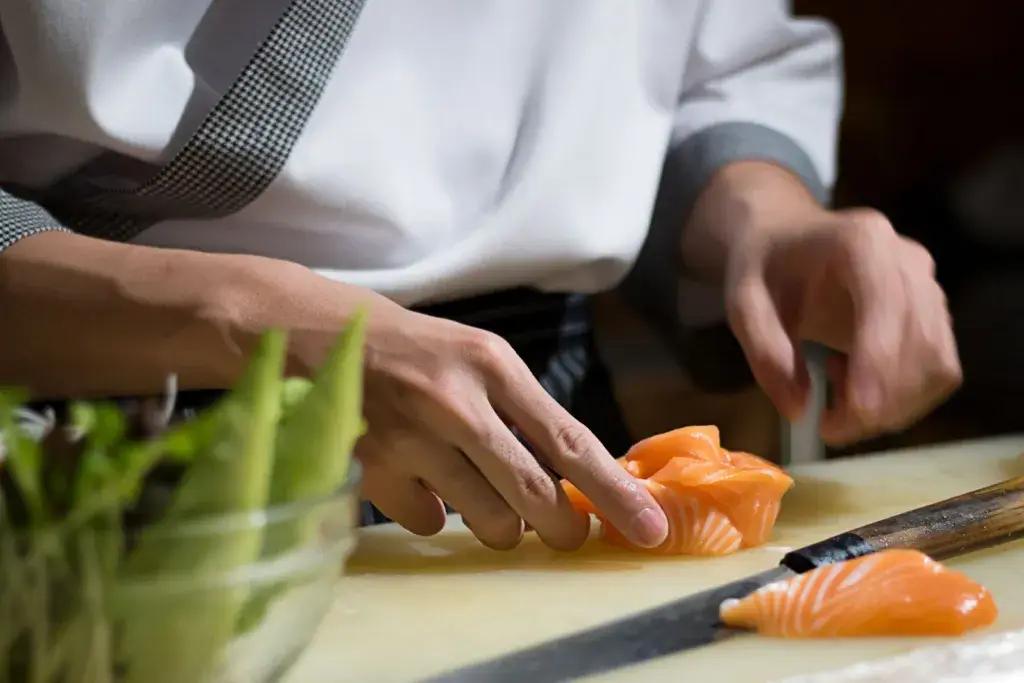
The santoku helps elevate cooking by making clean, precise cuts. This is particularly important in Japanese cuisine, where presentation is an integral part of the dining experience. Whether slicing vegetables, cutting fish, or trimming meat, this knife style delivers consistent results. It allows cooks to prepare food faster and with less waste, keeping ingredients intact. Have you ever used a santoku knife? How was your experience? Let us know in the comments below!
©2026 ZAKU Knife - All rights reserved
SUBSCRIBE TO OUR NEWSLETTER
Bet the first to know about our latest and exclusive deals