Shop Sets
Set Collection



The Seisuke Knife Festival is a traveling cultural event that introduces audiences outside Japan to the art of Japanese knife craftsmanship. The festival combines blades, food, and education in a single setting. Its goal is to show how Japanese knives are made, used, and valued in professional kitchens. The festival has appeared in multiple cities and continues to expand its reach, with its debut in Oahu, Hawaii, which took place this past June.
The Seisuke Knife Festival was established to showcase Japanese knife craftsmanship to a broader international audience. Rather than focusing only on sales, the event emphasizes education and direct interaction. Visitors are encouraged to observe demonstrations and ask questions about the materials and techniques used. This approach helps make Japanese knives easier to understand for both professionals and home cooks.
The festival is designed to feel open and accessible. Demonstrations of forging, sharpening, and knife use are central to each event. These activities demonstrate that knives are an integral part of everyday culinary work, rather than rare collectibles. Regional differences in knife shapes and purposes are clearly explained. This structure helps visitors build practical knowledge rather than surface-level interest.
The Seisuke Knife Festival made its Hawaii debut in June 2025 on the deck restaurant at the Queen Kapiolani Hotel in Waikīkī. The event ran for one evening and featured a mix of demonstrations, tastings, and live performances. Guests were able to observe demonstrations at close range. Food and drinks were included to create a relaxed atmosphere. The event emphasized the importance of learning through observation and experience.

The Hawaii event focused on connecting knife craftsmanship with local food culture. The event brought together blacksmiths, chefs, and the public in a casual setting. The festival also connected knife craftsmanship with Hawaii’s strong food culture. By pairing chefs and blacksmiths, the event demonstrated how tools and techniques work in tandem. Chefs and artisans worked side by side to demonstrate how knives are used in real kitchen situations.
Are you looking for high-quality knives to use in your kitchen? Check out ZAKU! ZAKU offers authentic knives, handmade in Japan, for all your culinary needs.

One of the festival’s central features are famous Japanese blade makers. At the Hawaii event, artisans such as Yu Kurosaki, Yoshimi Kato, and Takumi Ikeda demonstrated forging and finishing techniques. These demonstrations also enabled visitors to witness how raw steel is transformed into a finished blade. They also explained differences in steel types, heat treatment, and edge geometry. This direct explanation is rarely available outside Japan.
The demonstrations focus on skill rather than spectacle. Staffers explain why minor adjustments are crucial to knife performance. Differences between steel types and blade designs are discussed in practical terms. This helps visitors understand what they are seeing rather than simply watching. The result is a deeper appreciation for the work that goes into making handmade knives.
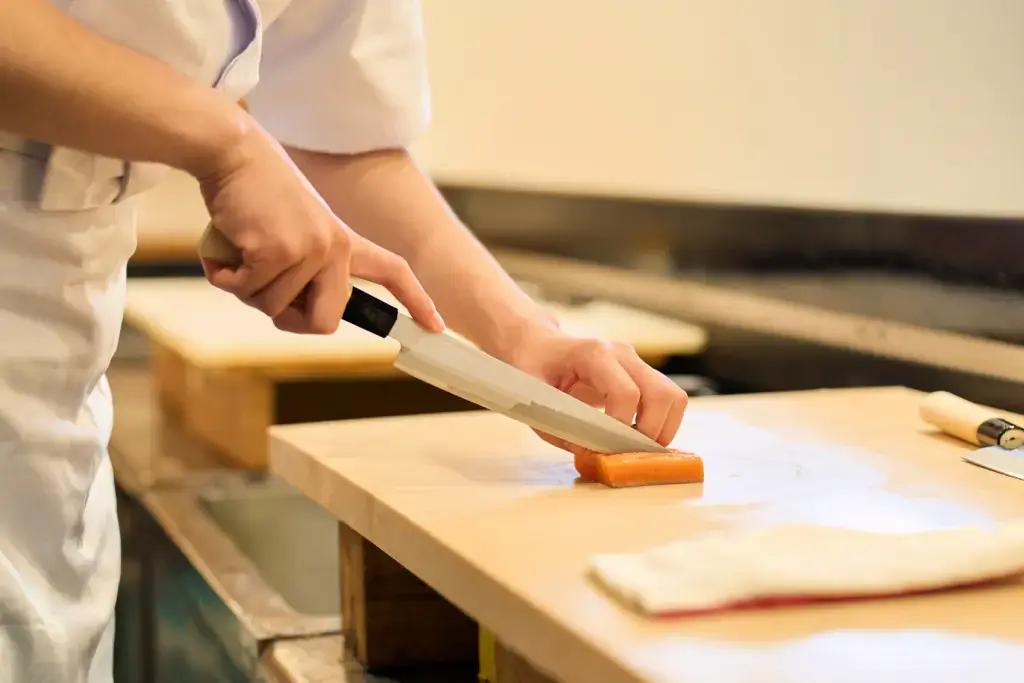
Professional chefs play an essential role in the Seisuke Knife Festival. To be more specific, live cooking demonstrations show how different knives are used for specific tasks. Usually, chefs explain how the shape and sharpness of blades affect cutting precision. These sessions connect craftsmanship directly to the food preparation process. They also help translate technical details into everyday kitchen use.

This focus on practical use helps bridge the gap between artisans and users. Knives are presented as tools meant to be used regularly, not just admired. Chefs discuss handling, maintenance, and technique in clear terms. This information is helpful for both professionals and home cooks. Additionally, it reinforces the idea that understanding a tool is as important as owning it.
The Seisuke Knife Festival operates as a traveling event rather than a single exhibition. Each location adapts the festival to local food culture while maintaining its core focus. This flexibility allows the event to remain relevant in different regions. Not to mention, cities with strong culinary communities are often chosen as hosts.
By moving between countries and regions, the festival supports cultural exchange. Generally, artisans are introduced to new audiences, and visitors gain access to traditional craftsmanship. The format also encourages collaboration between chefs and makers. Over time, this model helps sustain interest in traditional knife making. As a result, it positions the festival as an ongoing educational effort.
Knife festivals, such as the Seisuke Knife Festival, play a crucial role in preserving traditional skills. As mass production becomes more common, fewer people understand how handmade tools are created. Live demonstrations make these processes visible and understandable. They also help explain why craftsmanship still matters. This awareness supports long-term interest in traditional trades.
In a global food culture that values speed and convenience, these events slow down the conversation. They also encourage audiences to think about tools, techniques, and care. By connecting history with modern cooking, the festival demonstrates that tradition remains relevant in today’s world.

Overall, this balance is crucial to preserving craft traditions. The Seisuke Knife Festival is important because it exemplifies how education and experience can complement each other. Have you ever been to a knife festival? What was your experience like? Let us know in the comments below!
©2026 ZAKU Knife - All rights reserved
SUBSCRIBE TO OUR NEWSLETTER
Bet the first to know about our latest and exclusive deals