Shop Sets
Set Collection


Tosa Uchihamono, or Tosa forged blades, are traditional Japanese knives and tools made in Kochi Prefecture. For over 400 years, blacksmiths in the Tosa region have refined their craft to create blades prized for their sharpness and strength.
These tools include everything from kitchen knives to sickles and hatchets. Unlike factory-made steel, each blade is shaped by heat, hammer, and skill passed down through generations.
The story of Tosa Uchihamono begins in the Edo period, when the Tosa region supplied iron tools for farmers and woodworkers. The humid, forested land of Kochi made strong cutting tools essential for daily life. Local blacksmiths developed techniques suited to this environment, creating durable blades that could withstand Japan’s rugged terrain. Over time, their skill spread across Japan, making Tosa tools famous for both utility and artistry.

These early blades were not made for luxury but for survival. Farmers relied on sickles to cut bamboo and clear land, while hunters and carpenters used sturdy knives and axes. The same attention to balance and sharpness used in tools later inspired the development of fine kitchen knives. This tradition of functionality and beauty remains the foundation of Tosa Uchihamono to this day. Each tool still reflects the spirit of its makers: humble, precise, and dedicated.
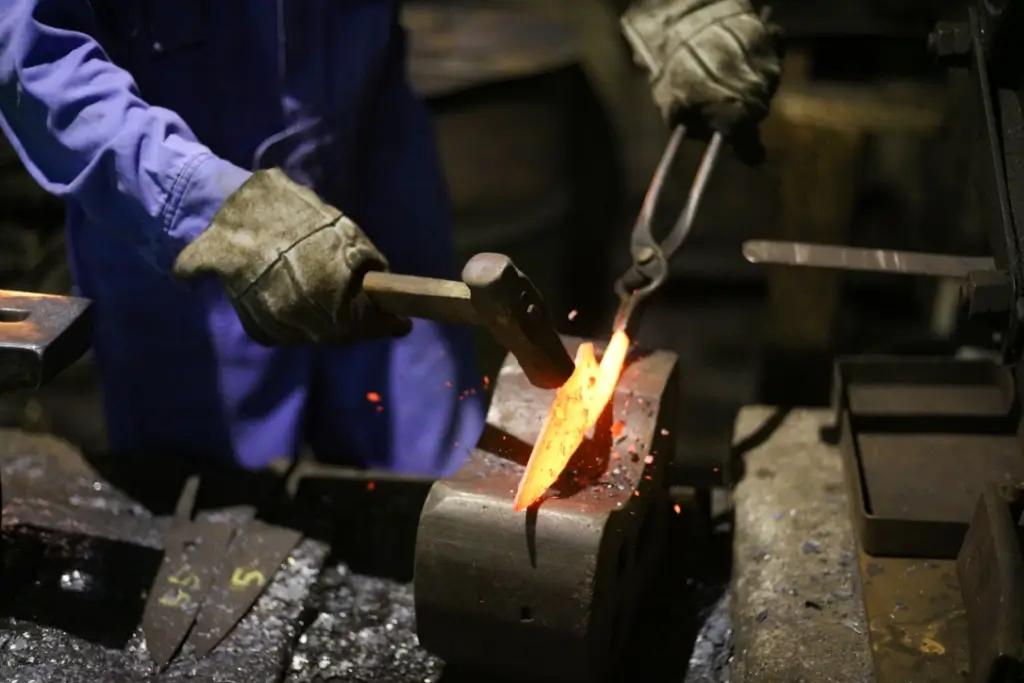
Unlike mass-produced blades, Tosa Uchihamono are made through a fully manual forging process. Craftsmen heat raw steel until it glows red, then hammer and fold it to create a dense, strong structure. This repetition builds not only the blade’s resilience but also its soul. After shaping, each knife is quenched, polished, and sharpened entirely by hand. The result is a tool that carries the fingerprint of its maker in every line.

Tosa blacksmiths often work alone or in small family workshops. Apprentices learn not just techniques but an entire philosophy of respect for materials. Forging is seen as a dialogue between human and metal, where timing and intuition take precedence over machines. Slight imperfections are embraced as marks of authenticity. This human touch is what makes every Tosa blade distinct.
Are you looking for knives to add to your collection? Check out ZAKU! ZAKU has authentic knives handmade in Japan for all of your culinary needs!

Tosa Uchihamono is a broad category that includes many tools beyond kitchen knives. Farmers use nata (machetes) and kama (sickles) for fieldwork, while carpenters prefer chisels and hand planes forged in the same tradition. Fishermen, too, rely on strong blades to cut through tough rope and scales. Each tool reflects its user’s needs, finely tuned through centuries of trial and error.

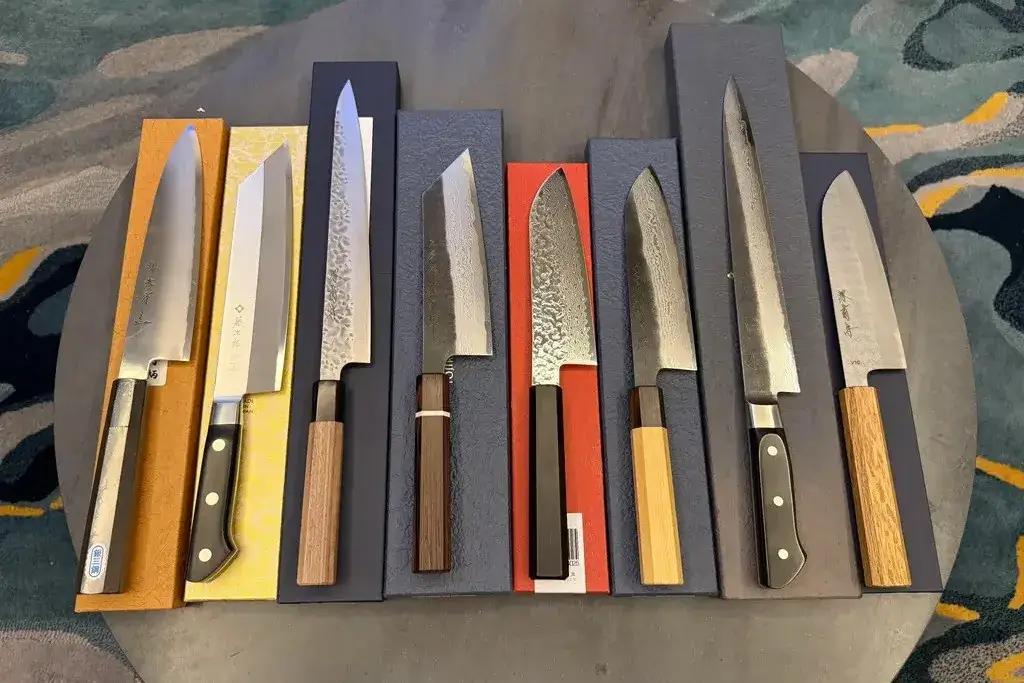
In modern kitchens, Tosa knives like the bunka and santoku are gaining attention. These knives feature unique hammer marks and natural finishes, giving them rustic beauty and exceptional cutting power. Their design strikes a balance between strength and precision, enabling chefs to slice meat, vegetables, and fish with ease. Whether used for professional cooking or home meals, Tosa blades combine old-world skill with modern performance.
The quality of a Tosa blade depends heavily on the quality of its steel. Traditionally, blacksmiths used carbon steel, known for its sharp edge and easy resharpening. Modern makers also use stainless or Damascus steel, blending tradition with convenience. The forging process creates a rigid core surrounded by softer layers, balancing strength and flexibility. This structure allows the blade to hold an edge longer while resisting chipping.
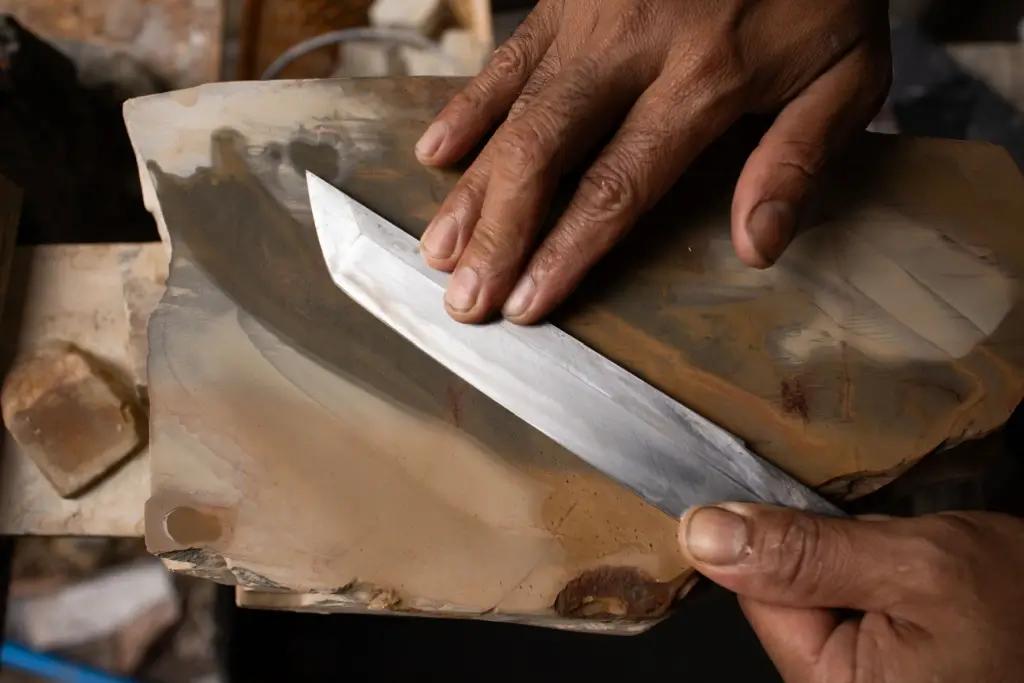
Each blade is sharpened on whetstones, sometimes for hours, to achieve its perfect edge. Craftsmen test the sharpness by slicing through paper or fine bamboo. The goal is not just to cut but to glide, reflecting mastery of geometry and balance. The blade’s edge, angle, and polish are tailored for specific uses. This attention to microscopic detail shows how Tosa artisans treat even simple tools as works of precision art.
Today, Tosa Uchihamono faces both challenges and opportunities. Younger generations are less likely to pursue blacksmithing, yet global interest in handmade knives is on the rise. Workshops in Kochi Prefecture now host apprentices from abroad who come to learn the ancient techniques. At the same time, new technologies such as laser cutting and heat treatment are being adapted to maintain efficiency.
Many local artisans see their craft as more than a business. Every hammer strike carries the legacy of ancestors who forged tools for survival. By combining old methods with new markets, they ensure the art will continue to evolve. International recognition has brought pride to the region and new life to its workshops. In this way, Tosa Uchihamono stands as a symbol of resilience, heritage, and Japanese craftsmanship.
Tosa Uchihamono is essential not only for its function but for what it represents. It symbolizes the survival of traditional craftsmanship in an age of automation. Each blade links modern Japan to its rural past, reminding people of the value of patience, skill, and care. In a world where convenience often replaces quality, these handmade tools are quiet lessons in endurance. Their beauty lies not just in how they cut, but in what they preserve.

Tosa Uchihamono connects communities through shared heritage. Blacksmiths support local economies and inspire pride in Kochi’s identity. Many workshops welcome visitors and apprentices, passing knowledge across generations and even across borders.
Through festivals and exhibitions, the craft continues to educate the public. The importance of Tosa Uchihamono lies in its power to unite past and present, one blade at a time. Do you have a Tosa blade in your kitchen? Which kind of Tosa blade would you want in your kitchen? Let us know in the comments below.
©2026 ZAKU Knife - All rights reserved
SUBSCRIBE TO OUR NEWSLETTER
Bet the first to know about our latest and exclusive deals