Shop Sets
Set Collection



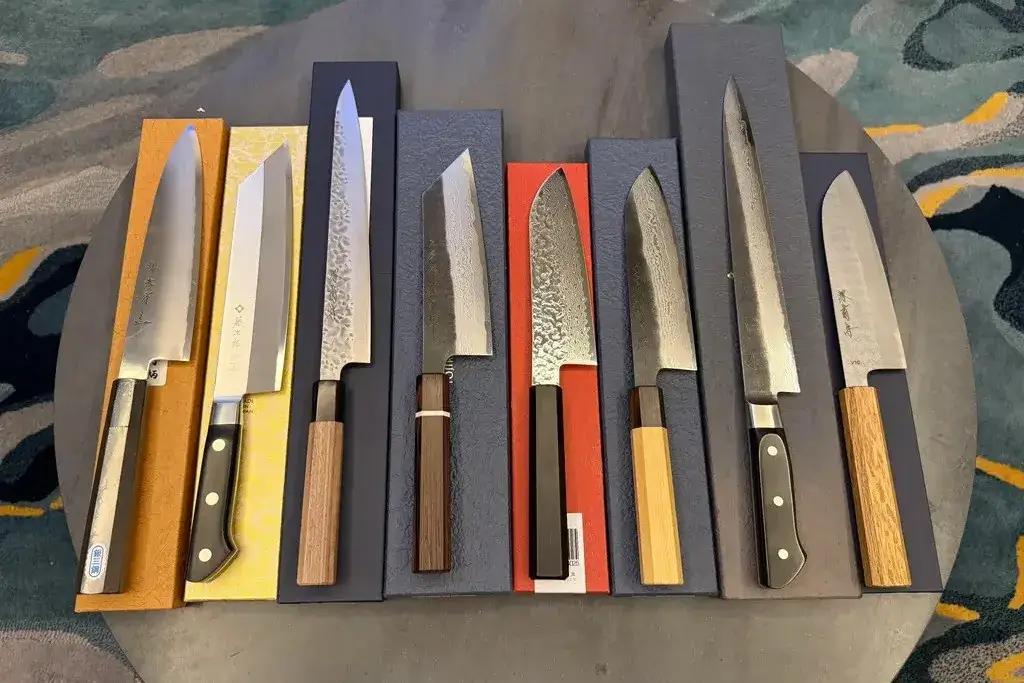
A hammered finish is a refined surface style in which steel is shaped by gentle hammering, creating a handcrafted texture. This finish highlights the character of different types of steel while adding durability and subtle elegance. Japanese kitchen knives also feature a similar finishing technique known as tsuchime.
Tsuchime is a special finishing style in which a blade is gently shaped, with visible hammer marks across its surface. The word itself means “hammer marks”, describing the small, neat dimples that appear like falling raindrops on shining metal. This style is often admired when people study the many types of steel used in Japanese blades, as each surface reacts differently, creating unique patterns.
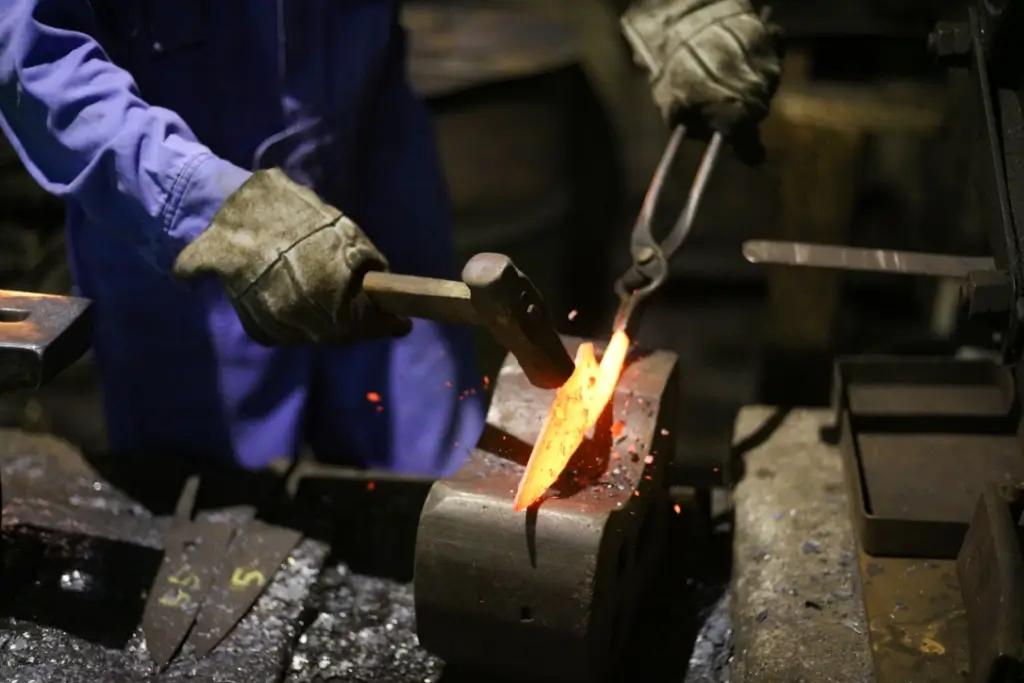
The roots of Tsuchime date back many centuries to traditional forging villages across Japan. During early sword-making times, smiths carefully struck heated metal while shaping weapons and tools, and these marks slowly became part of the blade’s identity. Later, during the Edo period, craftsmen explored new metals and decorative techniques, allowing Tsuchime to evolve into a more artistic expression.

A well-loved example of Tsuchime can often be seen on a Nakiri knife, a rectangular vegetable knife treasured in Japanese kitchens. On such blades, the hammered dimples flow across the upper surface, creating a soft sparkle when light touches the metal.
Beyond its appearance, Tsuchime holds a deep place in Japanese culture, where handwork is respected as a reflection of patience and personality. Each hammer mark shows the rhythm and care of the smith. The finish also highlights the character of various steel types, allowing their color, shine, and texture to become part of the knife’s identity.

Kitchen knives crafted with a hammered finish are treasured for their balanced beauty and strong performance. The hammering process carefully shapes the blade by striking heated metal, giving the knife a firm, steady structure. The blade becomes highly dependable when preparing many ingredients in the kitchen.
One important advantage of hammered steel knives is their remarkable durability. The hammering process tightens the metal structure, helping the blade resist cracks or damage even after repeated use.
Another benefit is how the textured surface helps food move smoothly along the blade. The small dimples formed by hammering create tiny spaces that reduce contact between the blade and ingredients. Moist foods such as cucumbers, potatoes, or fresh fish tend to separate more easily during cutting. Moreover, the textured surface reduces friction, allowing the blade to glide smoothly and maintain its sharp edge for longer.
When compared with mirror-polished blades, hammered steel knives offer a different kind of elegance. While polished blades offer a bright, smooth appearance, hammered finishes combine decorative beauty with practical craftsmanship. In contrast to simple satin finishes, hammered blades display a deeper handcrafted personality and a more expressive surface.

Tsuchime and Damascus are two refined finishing styles often seen on Japanese kitchen knives, yet they show their character in very different ways. When looking more closely, the main difference appears in how each surface is created.
Tsuchime is hand-hammered, which produces natural variations in texture. Because each strike is slightly different, every blade shows a unique pattern of dimples, giving it a natural appearance. In contrast, Damascus patterns form through repeated folding and layering of steels around a strong core, creating soft, flowing lines across the blade.
Their contrasts can also be noticed in care and forging complexity. Tsuchime surfaces are often easier to maintain because the finish relies mainly on hammer shaping rather than delicate layering. Meanwhile, Damascus blades usually require more careful polishing and regular maintenance to preserve their layered patterns and shine.
Interestingly, these two styles can also be combined on a single knife. In such cases, Tsuchime hammering is applied to layered Damascus steel, allowing both textures to appear together. The layered steel forms flowing lines, while the hammered dimples add depth and contrast across the surface. This pairing creates a graceful appearance often compared to suminagashi, a traditional Japanese ink-floating art.
Tsuchime is popular on kitchen knives because it combines steady performance and artistic character, making it suitable for many cooking styles. The gentle hammer marks help shape a blade that feels balanced and reliable, which makes cooks feel more confident during daily food preparation. At the same time, the finish highlights the natural personality of different types of steel, allowing each knife to show its own texture and shine.

Along with function, tsuchime also holds cultural value, showing the careful handwork passed down through generations of craftsmen. The finish shows that knives are not only tools but also results of skilled craftsmanship. Do you prefer a knife with a hammered finish or a shiny, polished blade? Let me know in the comments!
©2026 ZAKU Knife - All rights reserved
SUBSCRIBE TO OUR NEWSLETTER
Bet the first to know about our latest and exclusive deals