Shop Sets
Set Collection


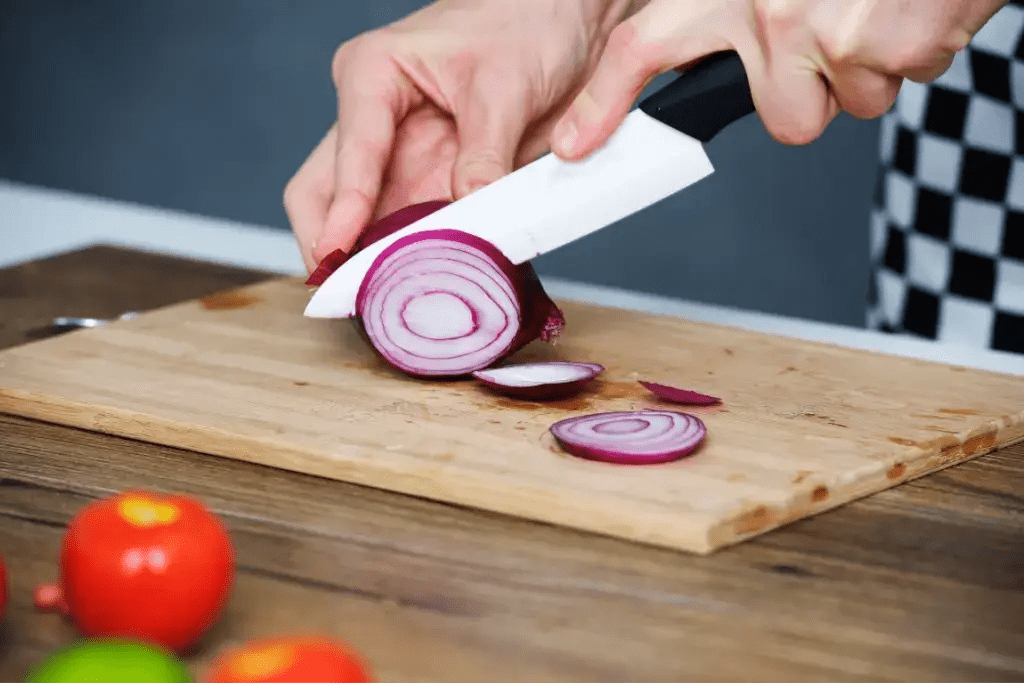
Ceramic blades are kitchen knives made from advanced ceramic materials rather than metal. They are known for being lightweight, sharp, and corrosion-resistant. These knives are commonly found in home kitchens and are often marketed as low-maintenance tools. While ceramic blades offer several advantages, they also come with significant limitations.
Ceramic blades are typically made from zirconium dioxide, a hard ceramic material that is fired at extremely high temperatures. This process creates a blade that is much harder than steel in terms of surface strength. Because of this hardness, ceramic knives can hold a sharp edge for a long time. The material is also non-reactive, meaning it does not affect the taste or smell of food. Th
Unlike metal knives, ceramic blades do not rust or corrode when exposed to moisture. They also resist staining from acidic foods such as tomatoes or citrus. This makes them appealing for tasks involving fruits and vegetables. However, the material’s hardness also makes it more brittle. This structural difference affects how ceramic knives should be used and handled.

Ceramic blades are most commonly used for slicing fruits, vegetables, and boneless proteins. Their sharp edge allows for clean cuts with minimal effort. Because the blade is very light, it reduces hand fatigue during repetitive slicing. Many users prefer ceramic knives for precise, straight cuts rather than heavy chopping. These qualities make them suitable for controlled kitchen tasks.
Ceramic knives are not designed for tasks that involve force or twisting. Cutting bones, frozen foods, or hard items like squash can cause damage. They are also not well-suited for prying or scraping food from cutting boards. Most ceramic knives perform best when used with smooth cutting motions. Using them within these limits helps prevent chipping or cracking.
One significant advantage of ceramic blades is their ability to stay sharp for a long time without regular sharpening. This reduces maintenance compared to metal knives. The lightweight nature of ceramic knives makes them comfortable to use for extended periods. Their non-reactive surface prevents metallic tastes and discoloration in foods. These benefits make ceramic blades appealing for everyday slicing tasks.
Ceramic knives are also easy to clean because food does not stick easily to the blade. They do not require drying to prevent rust, which simplifies care. For people who prefer low-maintenance tools, this can be a strong advantage. Their clean appearance often appeals to home cooks as well. These features contribute to their popularity in household kitchens.
Are you looking for great knives for your kitchen? Check out ZAKU! ZAKU has authentic knives handmade in Japan for all of your culinary needs!

Despite their hardness, ceramic blades are more fragile than metal knives. Dropping a ceramic knife or misusing it can cause chips or breaks. Unlike metal blades, ceramic knives cannot be easily repaired if damaged. Sharpening requires specialized equipment, which limits user maintenance. These factors make durability a key concern.

Ceramic knives also lack flexibility, which affects their performance with tougher ingredients. They are not suitable for tasks that involve pressure or impact. Their limited versatility means they often need to be paired with metal knives. For many cooks, this reduces their usefulness as a primary knife. Understanding these limitations helps prevent misuse and disappointment.
Compared to steel knives, ceramic blades prioritize sharpness retention over durability. Metal knives dull faster, but can handle a broader range of tasks. Steel blades are more forgiving when used on hard or uneven surfaces. Ceramic knives, by contrast, require more careful handling. This difference affects how each type fits into a kitchen routine.
Metal knives can be sharpened easily and repaired if damaged. Ceramic knives offer convenience but less flexibility. Some cooks prefer ceramic blades for specific tasks while relying on metal knives for heavier work. Using both types together allows cooks to leverage their strengths. This combination often provides the most balanced approach.
Are ceramic blades practical for daily kitchen use? The answer depends on how they are used and what foods are prepared. For light slicing tasks, ceramic knives perform very well. Their sharpness and low maintenance can be appealing for busy home cooks. However, their fragility limits their role.

Ceramic blades work best as specialized tools rather than all-purpose knives. Cooks who understand their limits often find them valuable and reliable. Those who prefer one knife for all tasks may find ceramic blades restrictive.
Choosing the right knife depends on cooking habits and expectations. Ceramic knives fill a specific niche rather than replacing metal blades entirely. Do you use a ceramic knife? Which do you prefer? Let us know in the comments below!
©2026 ZAKU Knife - All rights reserved
SUBSCRIBE TO OUR NEWSLETTER
Bet the first to know about our latest and exclusive deals