Shop Sets
Set Collection


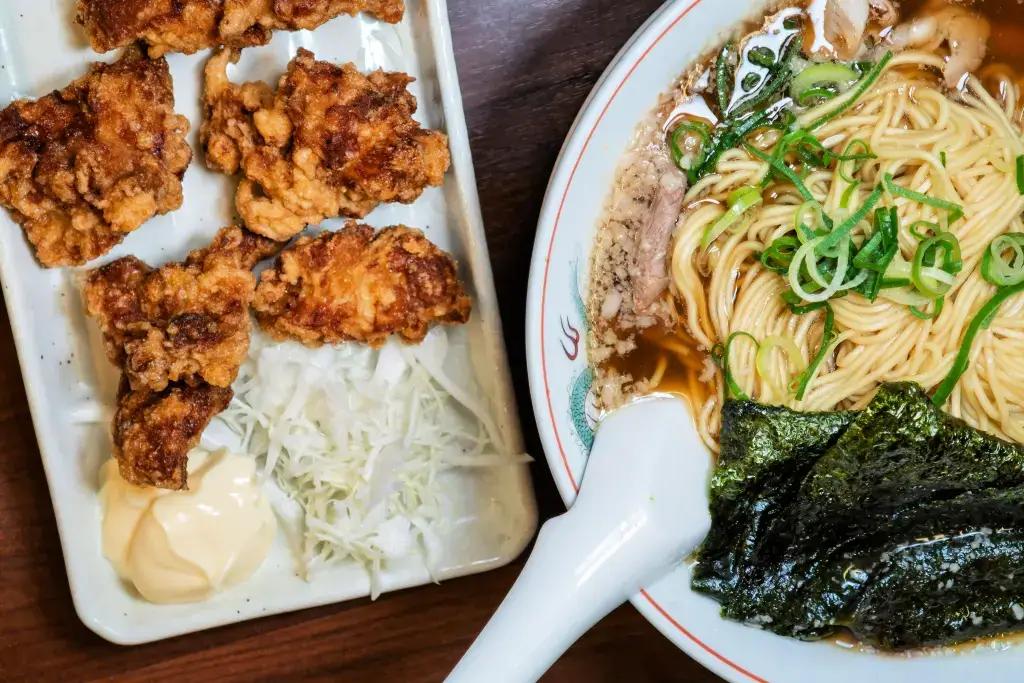
Teishoku sets are a structured style of meal that plays an essential role in Japanese dining culture. Rather than ordering dishes one by one, diners receive a complete meal arranged and served together.
This format emphasizes balance, predictability, and coordination between dishes. Teishoku meals are associated with everyday eating rather than special occasions. The structure helps diners understand what to expect before the meal arrives.
Generally, a teishoku set is a fixed meal composed of several dishes served together. The meal is built around a main dish that provides the strongest flavor and protein. Rice is included as a central component. Miso soup typically accompanies the rice in the set. One or more small side dishes complete the arrangement. Together, these elements form a single meal rather than a collection of separate dishes.

What defines teishoku is how these items function as a unit rather than as individual orders. All dishes are meant to be eaten within the same meal rhythm. Portions are planned so that no single item overwhelms the others.
The main dish anchors the meal, while rice and soup soften and balance stronger flavors. Side dishes add contrast through texture and seasoning. This combination gives teishoku its distinctive structure.
Teishoku developed from early Japanese meal structures centered on rice. Historically, rice formed the foundation of daily meals across social classes. Other dishes existed mainly to support and season it. These supporting items were often simple and based on available ingredients. Over time, this pattern became more standardized. The idea of a complete meal built around rice gradually took shape.

During the Edo period, growing cities influenced how food was prepared and served. Inns and eateries needed efficient ways to provide filling meals to travelers and workers. Offering set combinations simplified preparation and reduced service time. Teishoku fits these needs without requiring significant changes to cooking methods. The format allowed kitchens to operate each day predictably, and the style persisted as dining habits evolved.
As Japan entered the modern period, new ingredients and cooking techniques were introduced. Western-style dishes began to appear alongside traditional foods. Despite these changes, the teishoku structure proved flexible. Different main dishes could be added without altering the overall format. This adaptability allowed the system to absorb new influences. As a result, teishoku remained relevant in changing food environments.

Restaurants adopted teishoku as a reliable service model. Fixed meals allowed for consistent portioning and predictable pricing. Customers benefited from knowing precisely what they would receive before ordering. This predictability suited lunch service and casual dining in particular. The format also reduced the time spent choosing from long menus. These practical advantages supported its continued use.
The main dish defines the character of each teishoku. Standard options include grilled fish, fried meats, or simmered items. The main dish usually carries the strongest seasoning. This anchors the flavor of the entire meal. Its preparation often reflects the restaurant’s specialty. In many cases, the main dish also determines the name of the set.
Rice provides substance and balance within the meal. Miso soup adds warmth and moisture, helping connect the components. Side dishes introduce variation in texture and taste. These may include vegetables, tofu, or lightly seasoned items. Portions are intentionally modest to avoid heaviness. Together, these elements create a meal that feels complete without excess.
Are you looking for amazing knives to make meals with? Check out ZAKU! ZAKU has authentic knives handmade in Japan for all of your culinary needs!

Side dishes play a supporting but necessary role in teishoku. They are usually simple and lightly seasoned to avoid competing with the main dish. Typical choices include vegetables, tofu, or other items. Their purpose is also to introduce contrast while maintaining harmony. Flavor profiles are restrained and consistent. This restraint helps preserve balance across the meal.
Pickles are often included as a small but functional component. They refresh the palate between bites of richer foods. Their acidity provides contrast to mild or savory flavors. Even in small amounts, they affect how the meal is experienced. Texture matters as much as taste in this role. Each side contributes subtly to the overall structure.
Teishoku reflects broader principles found in Japanese food culture. Additionally, balance and moderation are emphasized over abundance. Meals are structured rather than excessive. Each component serves a defined role within the whole. This approach supports mindful eating habits. The format mirrors long-standing dietary values.

The structure also fits naturally into daily routines. Teishoku meals are familiar and dependable. They are designed for everyday use rather than for special occasions. This everyday quality gives the format durability. It suits both workdays and casual dining situations. The structure remains relevant across generations.
People often choose teishoku because it offers a complete meal without requiring many decisions. The fixed structure reduces uncertainty when ordering, especially in unfamiliar settings. Diners know they will receive rice, soup, a main dish, and sides together. This clarity makes teishoku appealing for regular meals. The format also supports consistent portion sizes. As a result, eating feels straightforward and predictable.

Teishoku is also valued for its role in encouraging balanced eating. The combination of dishes naturally includes a range of textures and flavors. Protein, carbohydrates, and vegetables are usually present in reasonable amounts. This balance reduces the need to plan meals carefully.
The structure supports steady eating habits over time. For many people, this makes teishoku an easy choice for everyday dining. Have you ever had a teishoku meal? What’s your go-to? Let us know in the comments below!
©2026 ZAKU Knife - All rights reserved
SUBSCRIBE TO OUR NEWSLETTER
Bet the first to know about our latest and exclusive deals