Shop Sets
Set Collection


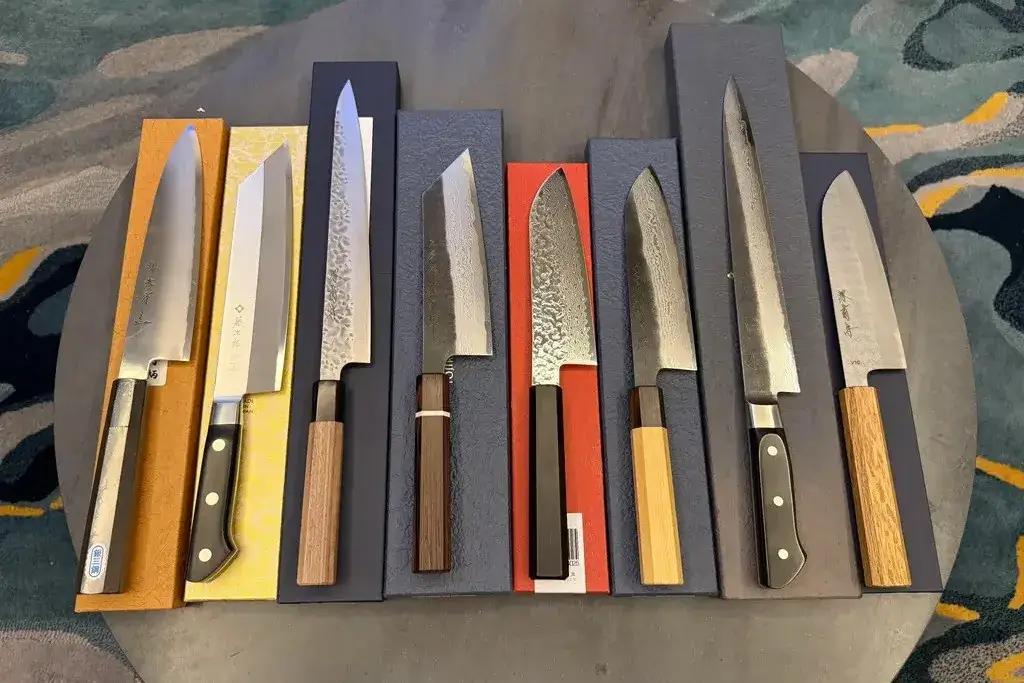
A Japanese knife is more than a kitchen tool. It reflects centuries of skill, tradition, and careful craftsmanship. At first, Japanese knife grading can feel confusing. This is true for beginners and collectors alike. Japanese kitchen knives are not graded like Western knives.
Their grades depend on materials, craftsmanship, origin, and intended use. This guide explains how Japanese knives are graded. It also shows what each grade means. You will learn how to choose the right knife for your needs. Keep reading to see how steel, finish, region, and use affect knife quality.
Japan does not use a universal grading system for all knives. Instead, knives are graded using several important factors. These include the steel type, the knife’s construction, and its finish. Grades also depend on certification and the intended use of the knife. Some knives follow official industry standards. Others are graded by region, maker, or craft group. This system also shows Japan’s focus on skill and craftsmanship.
Steel is the most important factor when grading a Japanese knife. Higher-quality steel usually means better sharpness, edge retention, and cutting performance. With that foundation in mind, it helps to understand how different steel categories affect knife quality. One of the most important distinctions begins with carbon steel.
Traditional Japanese knives often use carbon steel for its sharpness. Carbon steel can create a very fine cutting edge. Shirogami (white steel) is a very pure form of carbon steel. It sharpens easily and becomes extremely sharp. However, it rusts easily and needs careful care.
Aogami (blue steel) contains added metals like chromium and tungsten. These metals help keep the blade sharper longer. Blue Steel is tougher and more durable than White Steel. Because of this balance, Blue Steel is generally a higher-grade option.

Modern Japanese knives often use stainless steel for easier care. Stainless steel resists rust and needs less maintenance. VG-10 is a popular high-quality stainless steel. It balances sharpness, edge retention, and rust resistance. Both home cooks and professionals use VG-10 knives.
SG2, also called R2 powder steel, is a premium option. It is very hard and stays sharp for a long time. Top-tier knives often use SG2 for performance. Better steel increases both performance and price. Higher-grade steel lasts longer and cuts better.
Are you looking for well-made Japanese knives? Check out ZAKU! ZAKU offers authentic Japanese-made knives for all your culinary needs!

How a knife is made plays a major role in its grade. Before exploring different knife types, it helps to understand why construction matters so much in grading.
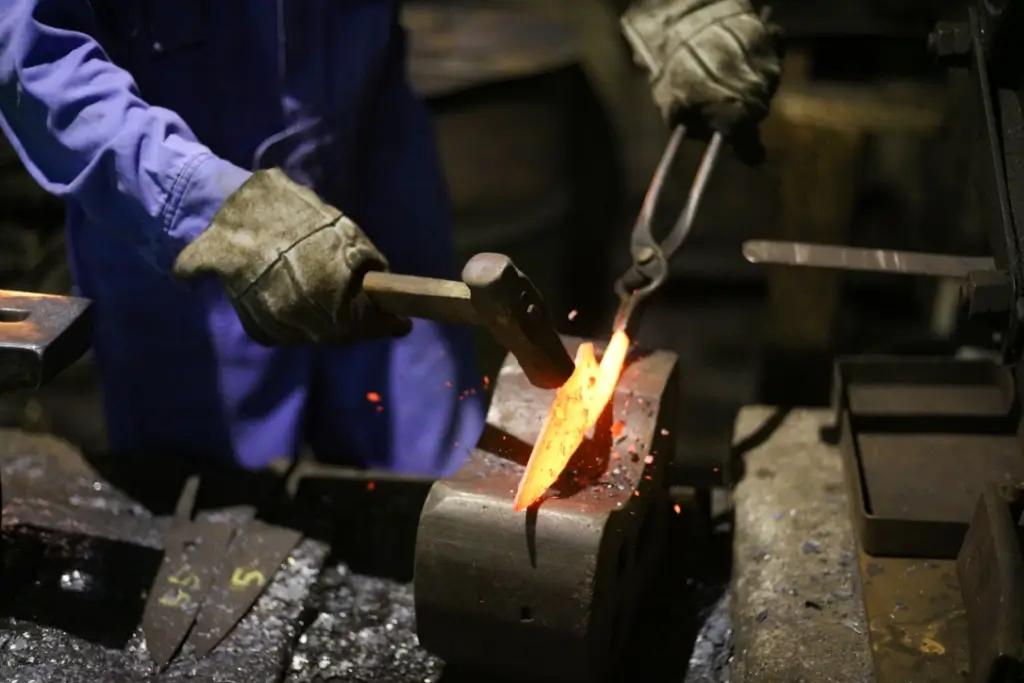
Honyaki knives are forged from a single piece of steel using traditional sword-making techniques. They are extremely difficult to make and require a master craftsman. People consider these knives to be the highest grade, used by professionals and collectors.

Kasumi knives feature a soft-iron cladding over a hard-steel core. This method improves durability and makes sharpening easier. They are common in professional kitchens and for high-quality home use.
These layered constructions combine hard steel cores with softer outer layers. They balance performance, strength, and cost, making them popular mid- to high-grade options.
Finish quality also affects how Japanese knives are graded. The finish changes how a blade looks and how much skill it takes to make. More detailed finishes usually mean higher craftsmanship and higher grades.
Migaki means a polished finish with a smooth, shiny surface. It shows careful grinding and precise finishing by the maker. Nashiji has a light texture, often called pear-skin.
This texture hides small scratches and gives a traditional look.
Kurouchi keeps the dark surface from the forging process. It looks rustic and highlights handmade craftsmanship. Damascus blades use layered steel to create flowing patterns. This finish takes more time and skill, raising value and grade. Hand-finished knives are usually graded higher than machine-finished ones.
Certain Japanese cities are famous worldwide for knife-making. Their reputations often act as an informal quality grade. Knives from these regions are trusted for skill, consistency, and tradition.
Sakai is famous for professional chef knives. Many Sakai knives follow guild rules passed down for generations. These knives are widely used in professional kitchens worldwide.
Seki blends modern steel with traditional forging. Makers here combine new technology with classic craftsmanship. Echizen is home to master blacksmiths. The region focuses on handcrafted knives that are both beautiful and highly performant.
Some Japanese knives include official certification stamps. The Japanese Industrial Standards set rules for materials and manufacturing. The certification is optional, but it adds trust and credibility. Traditional knives may also show the blacksmith’s signature. A signed blade often has a higher value and grade.
Professional-grade knives often use carbon steel or premium stainless steel. They have hand-finished edges and are used in restaurants and sushi kitchens. These knives focus on sharpness and long-lasting edges.
Artisan or master-grade knives are fully handcrafted by experts. They may use rare steel or special honyaki construction. These knives are made in small numbers and cost much more. Knowing how you will use a knife helps you choose wisely. It prevents overpaying or buying a knife that falls short.
The best Japanese knife is not always the highest grade. The right knife depends on how you cook and care for it. Think about how often you will sharpen the blade. Also, decide if you want easy care or very sharp edges.
How often you cook also matters. Daily cooks may want better performance and a better edge. Occasional cooks may prefer strong, low-maintenance knives. Personal taste is important too. Some people like tradition, while others prefer modern designs. Home cooks usually choose mid-grade stainless or san-mai knives. Professional chefs often prefer carbon steel for sharpness. Collectors look for honyaki or signed blades.
The Japanese knife grading system shows respect for materials, skill, and purpose. Japan does not rank knives solely by numbers. Instead, grading focuses on how the knife is made. It also considers who made it and how it is used.
Learning about steel, construction, and craftsmanship helps you make informed choices. You can find a knife that fits your cooking style and budget. A great knife is not only sharp. It is shaped by tradition, skill, and care.
©2026 ZAKU Knife - All rights reserved
SUBSCRIBE TO OUR NEWSLETTER
Bet the first to know about our latest and exclusive deals