Shop Sets
Set Collection


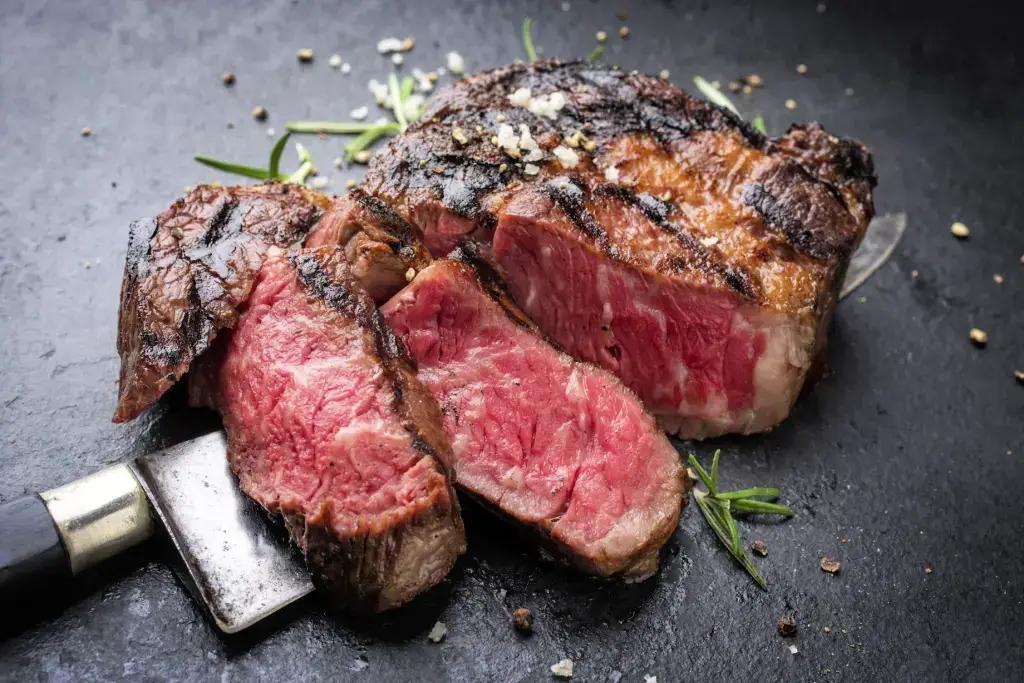
Wagyu beef is prized worldwide for its melt-in-your-mouth texture and rich flavor. Thanks to its high fat content and unique marbling, it cooks differently from other cuts of beef. Preparing wagyu the right way brings out its natural taste while preserving its delicate balance of fat and meat.
Whether cooking Japanese wagyu, such as Japanese Black, or American wagyu, following the proper steps ensures both flavor and tenderness. Keep reading to learn how wagyu is raised, why it’s so special, and the best ways to prepare it.
Wagyu beef comes from four main Japanese cattle breeds: Japanese Black, Japanese Brown, Japanese Shorthorn, and Japanese Polled. These breeds have been carefully bred in Japan for centuries, and their beef is renowned worldwide for its exceptional quality. Kobe beef and Matsusaka beef are two of the most famous wagyu types, often regarded as the pinnacle of excellence. People travel from all over the world just to taste these rare and highly prized meats.

What makes wagyu different from regular beef is something called marbling, or intramuscular fat. Instead of being tough or chewy, wagyu has thin streaks of fat woven throughout the meat. This fat contains a unique balance of fatty acids that melt during cooking. It results in a buttery, tender, melt-in-your-mouth flavor that feels unlike any other steak. Every bite is soft, rich, and filled with flavor, making wagyu a true luxury in the food world.
Wagyu cattle are raised in calm, stress-free environments, which is essential for making high-quality beef. Farmers carefully observe how the animals live, ensuring they have sufficient space, comfort, and a healthy diet. Their diet includes a mix of grains that helps create wagyu’s famous marbling, the streaks of fat in the meat. This marbling gives the beef its buttery texture and melt-in-your-mouth flavor.

Different breeds of wagyu have their own unique qualities. Japanese Black cattle are the most common and have the most marbling. Meanwhile, Japanese Brown cattle are leaner, with a stronger, beefier flavor. Finally, Japanese Shorthorn has less fat but is very rich in umami (savory taste), a savory taste that many people love. Japanese Polled is rare and known for its bold, meaty flavor.
Outside Japan, wagyu has been bred with local cattle to create new types. American wagyu, for example, still has plenty of marbling but is not as rich as pure Japanese wagyu. This makes it more affordable and easier for more people to enjoy while still keeping its special flavor.
Are you looking for great knives to create dishes like wagyu beef with? Check out ZAKU! ZAKU has authentic knives handmade in Japan for all of your culinary needs!

Start by letting the wagyu sit out for a short time until it reaches room temperature. This helps the fat melt evenly and ensures the meat cooks properly.
When preparing wagyu, the Japanese knives you use make a big difference. Sharp Japanese knives, such as a yanagiba (sashimi knife) or gyuto (chef’s knife), are ideal. The yanagiba is long and thin, perfect for slicing delicate meat smoothly. The gyuto is versatile for cutting larger pieces evenly.
Using these knives ensures clean cuts, which prevents tearing the marbled fat. Tearing the meat can cause it to lose its juices and texture. Taking the time to slice wagyu properly ensures that each piece remains tender, beautiful, and ready to cook or serve.

Wagyu cooks best on medium heat because its fat can burn quickly. A cast-iron pan works well to cook it evenly.
Wagyu is naturally flavorful, so use only a small amount of salt. Avoid heavy marinades, which can overpower its rich taste.
After cooking, let the wagyu rest for a few minutes. This allows the juices and fat to settle, keeping the meat juicy and tender.
Wagyu beef is expensive because raising these cattle takes a lot of care and attention. Farmers keep them in a stress-free environment, control their diet, and inspect their health daily. Only certain Japanese breeds, like Japanese Black and Japanese Brown, produce true wagyu, so there isn’t much supply.

Raising wagyu is hard work, often needing hand-feeding, careful marbling control, and strict cleanliness. In Japan, rules protect the authenticity of wagyu, ensuring that each cut meets high standards. These factors make wagyu beef rare, highly valued, and more expensive than other types of beef.
People enjoy preparing wagyu beef because it highlights the connection between careful farming, rich flavor, and cultural tradition. Cooking wagyu is not just about eating a premium product. It’s about appreciating how breeds of cattle, stress-free environments, and fat content create one of the world’s most unique foods.

Preparing wagyu beef requires care, patience, and respect for its natural qualities. By using the right tools, cooking gently, and keeping seasonings simple, you can enjoy the flavor of this special meat. Whether tasting Kobe beef, Matsusaka beef, or American wagyu, the key is to let the fat melt and flavor fully shine. Have you ever tried preparing wagyu beef at home? What was your experience like? Let us know in the comments below!
©2026 ZAKU Knife - All rights reserved
SUBSCRIBE TO OUR NEWSLETTER
Bet the first to know about our latest and exclusive deals