Shop Sets
Set Collection


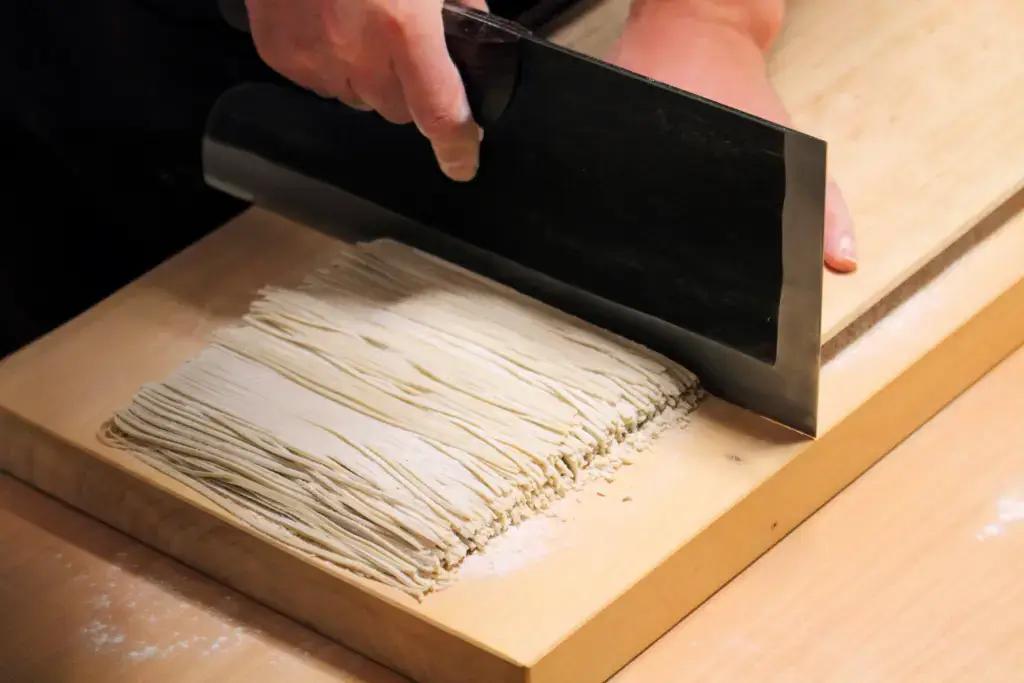
If you’ve ever watched Japanese chefs hand-cut noodles with calm concentration and flawless speed, you know that making soba is more than cooking. Let’s find out what soba is, how it is made, the special knife behind the craft, and a soba noodle recipe you can make in your home.
Soba noodles are traditional Japanese noodles made primarily from buckwheat flour. For hundreds of years, soba has been a staple in Japan, both as a comforting everyday meal and as a dish eaten on special occasions. One example is Toshikoshi Soba, also known as the New Year’s Soba, because it is traditionally enjoyed on New Year’s Eve to bid farewell to the previous year and welcome the new one.

Soba noodles have an earthy, slightly nutty flavor with a smooth texture that pairs well with both hot broths and cold dipping sauces. Compared to other noodles, they are simple in appearance but full of depth.
They’re also packed with protein and nutrients, which makes them popular with people who prefer wholesome, clean meals that are not overly heavy. Soba can be eaten all year round, but it’s especially loved in the summertime when served chilled with fresh aromatics and a dipping sauce.
Making soba from scratch is an impressive skill, and while it requires practice, the process is straightforward and relaxing once you’ve learned the rhythm. Traditionally, it involves just three ingredients: buckwheat flour, wheat flour, and water. Here’s the classic process:
Buckwheat alone doesn’t always bind well, so many traditional soba recipes blend buckwheat with a small amount of wheat flour. The dough starts as a loose mixture, which is slowly hydrated with water until it becomes smooth and cohesive. Chefs describe this stage as listening to the dough, adding water little by little until it responds correctly.

Once combined, the dough is kneaded until it develops elasticity. This step affects texture, so experienced soba makers focus on the dough’s feel rather than timing themselves. When it becomes springy and holds its shape, it’s ready to roll.
Are you looking for great knives to make unique dishes with? Check out ZAKU! ZAKU has authentic knives handmade in Japan for all of your culinary needs!

The dough is rolled into a large, thin sheet using a long rolling pin. Uniform thickness is essential because it ensures even cooking, and this is where precision truly matters.
The sheet is carefully folded into layers, ready to be sliced into noodles. This step is where the sobakiri knife takes the spotlight. A sharp, well-balanced sobakiri ensures clean, even cuts, allowing each noodle to cook properly without sticking or breaking.
Fresh soba cooks quickly—around one minute in hot water. After cooking, the noodles are rinsed in cold water to stop carryover heat and tighten the texture. From here, they’re ready for dipping sauces, broths, or stir-fried dishes. Making soba by hand can feel like a ceremonial act. Each movement has intention, and even a simple bowl becomes more meaningful when you’ve crafted everything from scratch.
In Japanese cooking, knives represent tradition, performance, and pride. The sobakiri knife, which is specifically designed for slicing soba noodles, is a perfect example. Broad, rectangular, and heavy, the sobakiri features a tall blade and straight cutting edge designed to glide through layers of dough with minimal pressure.

This shape enables the chef to drop the blade vertically, rather than pushing or dragging the knife, which creates perfectly even noodles. Because soba dough is delicate and fine, a clean cut is essential. Any tearing affects texture and cooking.

Today, a well-crafted sobakiri is treasured in professional kitchens and admired by home cooks who want to prepare authentic soba with the right equipment. In a world full of convenience cooking, something is inspiring about a tool that exists for one purpose, and that is precisely the sobakiri knife: to cook your soba noodle recipe to perfection.
Soba is versatile and fits a wide range of tastes, from light and refreshing to savory and comforting. Here are three popular dishes that showcase what freshly cut soba can do:
A classic, especially in summer. The noodles are served chilled with a dipping sauce called tsuyu, made from soy sauce, mirin, and dashi. Toppings usually include green onion, grated daikon, and fresh wasabi. When you make soba yourself and slice it cleanly with a sobakiri knife, you’ll notice how the smooth noodles hold the sauce perfectly.

This comforting dish features soba served in a clear broth seasoned with dashi and soy sauce. It’s simple, balanced, and highlights the rich, deep flavor of buckwheat. Add toppings like tempura shrimp, mushrooms, or soft-boiled egg for a complete meal.
A non-traditional but delicious modern take. Soba is stir-fried with vegetables, savory sauce, and your protein of choice. Because freshly cut noodles are sturdy and flexible, they handle sautéing well while maintaining their shape.
Cooking fresh soba at home brings a sense of accomplishment that’s different from opening a package. You learn to appreciate food like chefs do. Moreover, soba noodle recipes are often healthy and straightforward, allowing you to eat good food without using a lot of ingredients!

With the right tools, especially a well-made sobakiri knife, you also get to experience the cutting technique that defines professional noodle making. It’s educational, rewarding, and something you can serve proudly to family or guests. Have you tried eating soba noodles before? How was it? Let us know in the comments!
©2026 ZAKU Knife - All rights reserved
SUBSCRIBE TO OUR NEWSLETTER
Bet the first to know about our latest and exclusive deals