Shop Sets
Set Collection



Fugu, or pufferfish, is one of Japan’s most well-known traditional foods. It is closely connected to winter meals, local pride, and expert cooking skills. The fish is not known for a strong flavor, but for its soft texture, light taste, and careful preparation.
The dish shows how important rules, training, and trust between the chef and customer are in Japan. Over time, it changed from a dangerous food into a carefully controlled specialty.
Fugu has been eaten in Japan since ancient times, and archaeologists have found pufferfish bones in coastal shell piles from the Jōmon period. Early fishing communities relied on local knowledge to safely prepare fish, but mistakes were common. As stronger governments formed, leaders became worried about people dying from incorrect preparation. Several rulers banned the poisonous fish, especially for samurai and government officials.

The situation changed during the Meiji period, when Japan began modernizing its food laws. Shimonoseki became a major center for the trade in pufferfish and knowledge about them. Instead of banning the fish completely, the government decided to control who could prepare it. This change allowed the fish to go from a banned food to a carefully regulated specialty. From then on, skill and official licenses became an important part of its identity.
The danger of fugu comes from tetrodotoxin, a strong poison found in certain organs of the fish. Even a small amount of these poisons can cause serious harm if eaten. Because of this risk, Japanese law clearly states which parts of the fish can be served to customers. Organs such as the liver and ovaries are banned across the country and must be destroyed under supervision. These rules are checked at both restaurants and fish suppliers.

To ensure these rules are followed, chefs must obtain special licenses before serving the fish. The licensing process usually includes years of training, written tests, and skill exams. Chefs are tested on identifying the correct species, cutting it properly, and safely throwing away poisonous parts. Only licensed professionals can prepare and serve the fish. This system has reduced accidents and changed how people think about pufferfish.
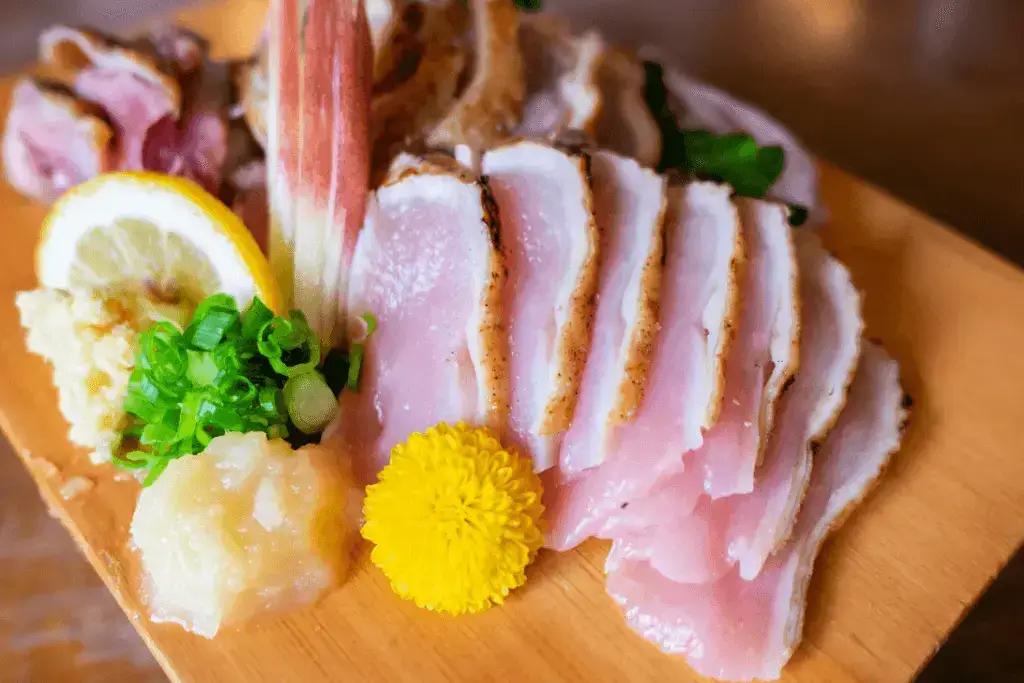
Fugu preparation focuses on careful cutting rather than speed or large portions. One of the most famous dishes is tessa, which is thinly sliced raw pufferfish sashimi arranged in detailed patterns. The slices are cut very thin, almost see-through, to highlight the fish’s texture rather than its flavor. People usually eat it with ponzu sauce, green onions, and chili for added brightness. The seasonings are light, so they do not overpower the fish.
Hot dishes are also important in fugu meals. Tecchiri, a hot pot dish, features pufferfish pieces cooked with vegetables and tofu in a light broth. This dish is popular during the colder months and is often shared at the table. Deep-fried pufferfish is enjoyed for its crisp texture and mild taste. Meals often end with rice or porridge cooked in the remaining broth, showing careful use of the safe ingredients.
Are you looking for amazing knives for your cooking? Check out ZAKU! ZAKU has authentic knives handmade in Japan for all of your culinary needs!

The growth of farmed fugu has changed how the fish is produced and sold. Farmed pufferfish are fed special diets and usually do not develop poisons like wild fish. This helps improve safety from the start of production rather than relying solely on careful preparation. It has also made the supply more stable and reduced seasonal shortages. As a result, the fish is now more widely available to a broader group of people.

Even with these changes, farmed fugu are controlled under the same laws as wild fish. Licensed chefs are still required, and preparation rules remain strict. Some customers prefer wild-caught pufferfish because of its seasonal image and texture, which they believe are better. Others choose the farmed variety for its steady quality and lower price. Together, both types support a modern industry that combines tradition with modern production methods.
Certain regions in Japan are strongly connected with pufferfish cuisine. Shimonoseki in Yamaguchi Prefecture is the most famous center and manages a large part of Japan’s pufferfish trade. The city holds markets, festivals, and events focused on the fish. Its local identity is closely tied to pufferfish production and training. Many licensed chefs study within this regional network.
Other coastal cities also have strong pufferfish traditions. Osaka and Tokyo are known for high-end restaurants that offer careful, high-level preparation. Differences can be seen in seasoning, presentation, and course structure. These changes reflect different local food cultures rather than different safety rules. Together, they show how fugu culture adapts across Japan.
Fugu remains important in Japan because it represents skill, responsibility, and respect for food traditions. Preparing it requires trust in professional training and government rules. This shared understanding shapes how customers experience the meal. Today, pufferfish culture focuses less on danger and more on careful and highly trained cooking skills. The fish has become a symbol of disciplined preparation.

Fugu also reflects important ideas in Japanese cooking, such as balance and seasonal awareness. Its continued popularity shows how traditional foods can change while keeping their meaning. Clear rules have allowed the dish to survive and adapt in a modern food system.
This explains why the fish is still important in Japanese food culture today. It stands as an example of how risk can be controlled through rules and training. Have you ever tried fugu before? What was your experience like? Let us know in the comments below!
©2026 ZAKU Knife - All rights reserved
SUBSCRIBE TO OUR NEWSLETTER
Bet the first to know about our latest and exclusive deals