Shop Sets
Set Collection


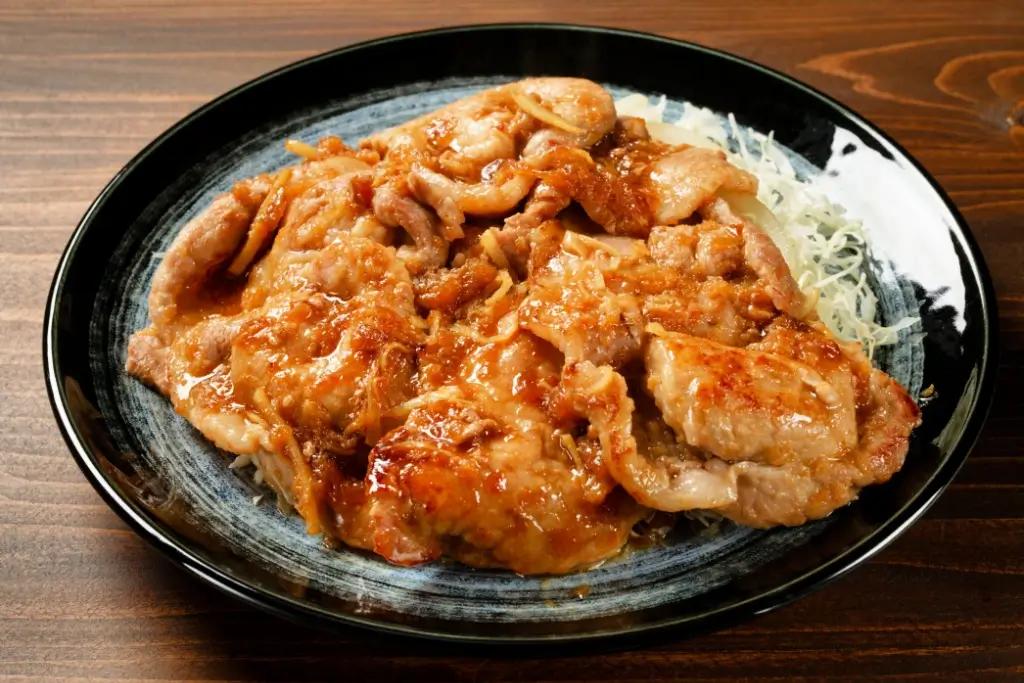
One popular Japanese dish is shogayaki, a dish made with thinly sliced ginger pork. Found in homes, restaurants, and lunch sets across Japan, shogayaki is loved for its balance of sweet, salty, and slightly spicy flavors. Although it is a simple meal, it has become one of Japan’s most popular comfort foods.
The name shogayaki comes from two Japanese words. Shoga means ginger, while yaki is a Japanese cooking term that usually refers to grilling, frying, or cooking food over heat. Together, the name translates to “ginger-fried” or “ginger-grilled.” The dish highlights fresh ginger, which gives the pork its distinctive flavor and aroma.

Shogayaki is usually made with thin slices of pork loin or pork belly. The meat is cooked in a sauce made from grated ginger, soy sauce, and sweet seasonings such as mirin or sugar. As the pork cooks, it absorbs the flavors of the sauce, creating a dish that is both savory and slightly sweet. The ginger adds a fresh taste that helps balance the richness of the pork.
One reason shogayaki is so popular is its simplicity. The dish uses a few ingredients and can be prepared quickly. This makes it a favorite among busy families looking for an easy yet satisfying meal. Many Japanese households have their own version of the recipe, with small differences in seasoning or cooking methods.

Shogayaki is often served with steamed white rice and shredded cabbage. The rice helps absorb the flavorful sauce, while the cabbage provides a fresh and crunchy contrast to the pork. Some meals also include miso soup, pickled vegetables, or a small side dish. Together, these foods create a balanced meal that is filling without being overly heavy.
The dish became especially popular during the twentieth century as pork became more widely available in Japan. Before that time, meat was not a major part of the traditional Japanese diet. As eating habits changed and pork became more common, shogayaki grew in popularity because it was affordable, easy to prepare, and flavorful.
Today, shogayaki is commonly found in restaurants that specialize in everyday Japanese meals. It is a popular choice at teishoku restaurants, which serve set meals that include rice, soup, and side dishes. Many cafés and casual dining establishments also offer shogayaki on their lunch menus. Its familiar flavor makes it a favorite among people of all ages.
Shogayaki is also a common item in bento lunch boxes because it tastes good even after cooling. This makes it a practical choice for school and work lunches, as well as for meals prepared in advance.

Ginger plays an important role in the dish. Fresh ginger has long been used in Japanese cooking and is valued for its strong flavor and aroma. In shogayaki, grated ginger helps create the sauce that coats the pork. The ingredient adds a mild spiciness, making the dish more flavorful without overwhelming the other ingredients.
The type of pork used can also affect the final result. Pork loin is a popular choice because it is lean and tender. Pork belly contains more fat, which creates a richer flavor. Some cooks prefer one type over the other, while some recipes use a combination of both. Regardless of the cut, thin pork slices help the meat cook quickly and absorb the sauce more effectively.
Are you looking for great kitchen knives? Check out ZAKU! ZAKU has authentic knives handmade in Japan for all of your culinary needs!

Although shogayaki is considered a traditional Japanese dish today, it also reflects how Japanese cuisine has evolved over time. The dish combines local ingredients and cooking methods with the growing popularity of meat-based meals. Some food historians believe shogayaki became popular in Tokyo during the mid-twentieth century, though its exact origins are not fully documented.
Outside Japan, shogayaki has become increasingly popular as interest in Japanese cooking continues to grow. Many people enjoy making it at home because the ingredients are easy to find and the recipe is relatively simple. The dish offers a taste of Japanese home cooking that differs from more internationally known foods such as sushi or ramen.

One of the reasons shogayaki has remained popular for so many years is its versatility. It can be served as a quick weeknight dinner, a restaurant lunch special, or part of a larger Japanese meal. The combination of tender pork, fresh ginger, and savory sauce appeals to a wide range of tastes.
In the end, shogayaki shows how simple ingredients can create memorable flavors. The dish combines pork, ginger, and a few basic seasonings to create a comforting, satisfying, and easy-to-enjoy meal. Whether eaten at home, in a restaurant, or as part of a lunch set, shogayaki remains one of Japan’s most beloved everyday dishes and an excellent example of Japanese home-style cooking.
©2026 ZAKU Knife - All rights reserved
SUBSCRIBE TO OUR NEWSLETTER
Bet the first to know about our latest and exclusive deals