Shop Sets
Set Collection


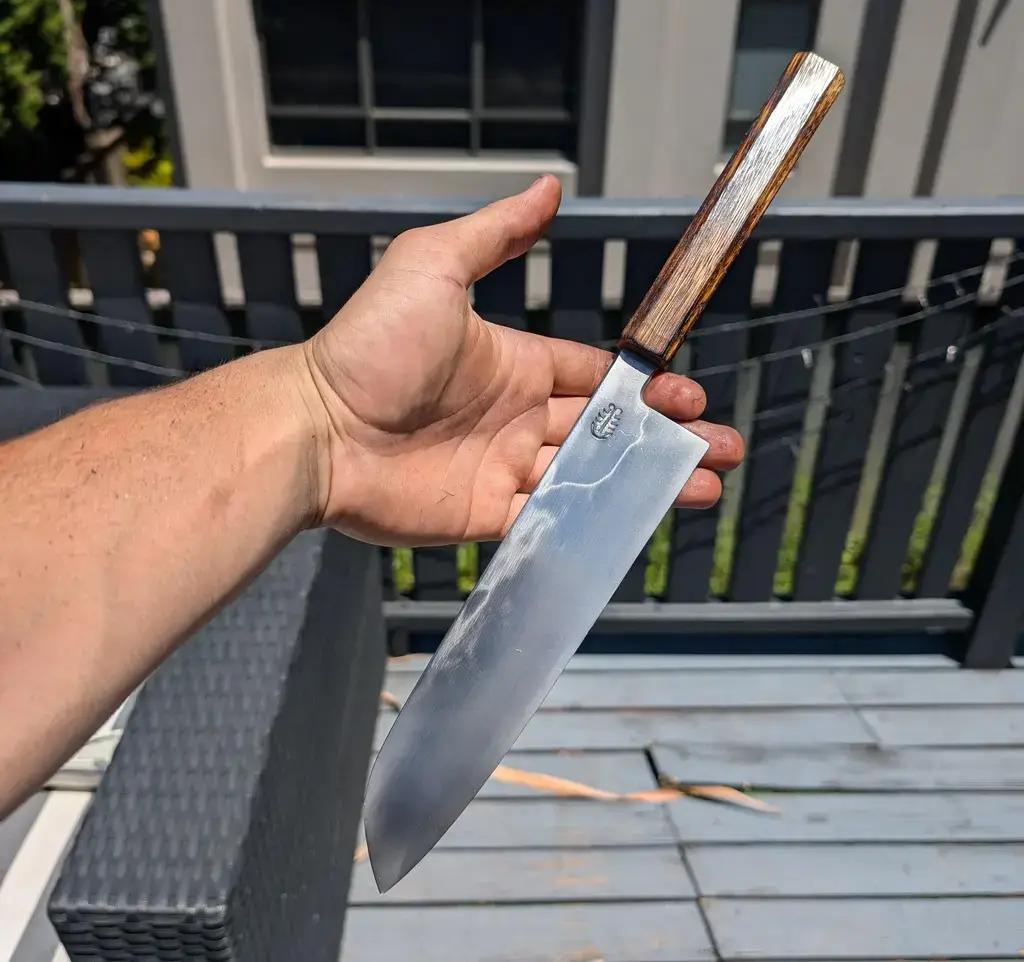
Honyaki is one of the most respected and challenging knife-making methods in Japanese metalworking. This technique uses a single piece of high-carbon steel and relies on precise heat control rather than layered construction.
The results are knives known for sharp edges, strong performance, and long-lasting durability. Many chefs, collectors, and metalworking fans consider honyaki the highest expression of Japanese craftsmanship.
Honyaki knives are forged from one solid steel type rather than combining multiple layers. The word means “true hardening,” which reflects the focus on heat treatment instead of mixed materials. Because the blade is made from a single piece, every part of the process must be executed with precision. The method produces a knife with impressive sharpness and edge retention, making it popular among trained chefs.
Since softer layers do not reinforce the steel, the blade must be shaped with great accuracy from the start. A small mistake in thickness or alignment can cause problems later during quenching. Smiths spend years learning how to judge the metal’s temperature, color, and texture. They must also understand how different steels react to heat. Because of these challenges, honyaki represents both technical ability and deep experience.

One of the defining steps in honyaki is the clay coating applied before quenching. The spine receives a thicker layer that cools slowly, while the edge receives a thinner layer that cools quickly. When the blade enters water or oil, the different cooling speeds harden the edge, leaving the spine slightly softer. This contrast gives the knife strength, flexibility, and cutting precision. It also helps prevent breakage that can occur in very hard blades.
The quenching process creates a visible line called the hamon, which appears where the hard and soft zones meet. This line is one of the most recognizable features of honyaki knives. Each hamon is unique, formed by temperature, timing, and clay patterns. Buyers often admire the hamon for its beauty, but it also has functional meaning. A clean, even hamon shows that the blade was heated and cooled properly.
Forging honyaki is difficult because high-carbon steel responds strongly to rapid temperature changes. Water quenching is especially risky, as the blade can crack if the temperature is even slightly uneven. Many blades fail at this stage, even for experienced smiths. This high failure rate reduces production and increases cost. For this reason, only highly trained craftspeople attempt this style of knife forging.
Smiths must learn to judge heat without relying only on tools. They often read the metal by examining its color, sparks, and subtle changes that occur during heating. Clay thickness, holding time, and hammering technique all affect the final shape. A slight misstep can undo hours of work. Because of this, each successful blade represents patience and discipline. The training required helps preserve traditional skills that would otherwise be lost.

Honyaki can be made with water quenching or oil quenching. Water-quenched blades, known as mizu honyaki, become extremely hard but also carry the highest risk of cracking. Oil-quenched blades, called abura honyaki, are slightly more forgiving and tend to be tougher. Both styles follow the same overall process but differ in their level of difficulty. The choice depends on the smith’s experience and preferred balance between hardness and durability.
Steel type also plays a significant role in honyaki styles. Shirogami, or white steel, is known for producing extremely sharp edges but can be brittle if misused. Aogami, also known as blue steel, is tougher and retains its edge longer, although it is more difficult to forge. Some smiths also vary clay patterns to create different hamon shapes, such as straight, wavy, or complex designs. The distinct patterns give each blade a distinct identity while staying true to tradition.
Are you looking for great knives for your colleciton? Check out ZAKU! ZAKU has authentic knives handmade in Japan for all of your culinary needs!

Professional chefs value honyaki knives for their sharpness and edge stability. The hard edge makes precise cuts smoother and more controlled. This is important for tasks such as slicing sashimi or preparing vegetables. The knife maintains its performance even during long hours of work. Many chefs say the cutting feel is noticeably different from laminated blades. These benefits make honyaki appealing for skill-based cooking.
Collectors appreciate honyaki for its craftsmanship and limited production. Since the failure rate is high, each finished knife is a rare find. The hamon provides a visible record of the forging process, making every blade unique. Many collectors view honyaki as functional art rather than just a kitchen tool. Owning one supports the preservation of traditional Japanese metalworking.
Honyaki knives require careful use because their edges are harsh. Striking the blade against bone, frozen food, or hard surfaces can cause the blade to chip. Using a soft cutting board helps protect the edge and maintain its sharpness. Proper sharpening with water stones is necessary to keep the blade in top condition. Many users prefer slower, more controlled sharpening to avoid uneven wear.
High-carbon steel can rust if not correctly cared for. Drying the knife thoroughly after washing is essential. Applying a thin layer of oil can prevent rust from forming during storage. Storing the blade in a sheath or on a magnetic rack helps protect the edge from accidental contact. Good care reflects respect for the craft behind the knife. These steps keep the blade performing well for years. Regular maintenance extends the knife’s lifetime.
Honyaki remains essential because it represents a level of craftsmanship that is difficult to replace with machines. Every blade reflects a series of human decisions, from heating to hammering to quenching. Because the process is slow and complex, the final product carries a sense of authenticity. Many chefs and collectors seek knives that demonstrate this level of personal skill. Honyaki expresses history through technique.

Supporting honyaki also supports small workshops that preserve metalworking knowledge. Skilled smiths train for years to master these methods, and they pass them on to the next generation. When buyers choose honyaki, they help keep these traditions alive.
The blades represent both functional performance and cultural heritage. Even in a world with mass-produced tools, the appeal of handcrafted quality continues. Do you have an honyaki knife? Are you interested in getting one now? Let us know in the comments below!
©2026 ZAKU Knife - All rights reserved
SUBSCRIBE TO OUR NEWSLETTER
Bet the first to know about our latest and exclusive deals