Shop Sets
Set Collection



If you love food, cooking, or exploring unique Tokyo neighborhoods, Kappabashi should be on your list. Kappabashi is known as Tokyo’s knife district and has supplied chefs for over 100 years. It sits between Asakusa and Ueno, attracting cooks, designers, and curious travelers.
Today, many home cooks visit for tools, displays, and a fun shopping experience. Kappabashi Kitchenware Town is located in eastern Tokyo and is easily accessible. A giant chef statue at the entrance welcomes visitors wearing a big white hat. Keep reading to discover what makes Kappabashi a must-visit spot for food lovers in Tokyo.
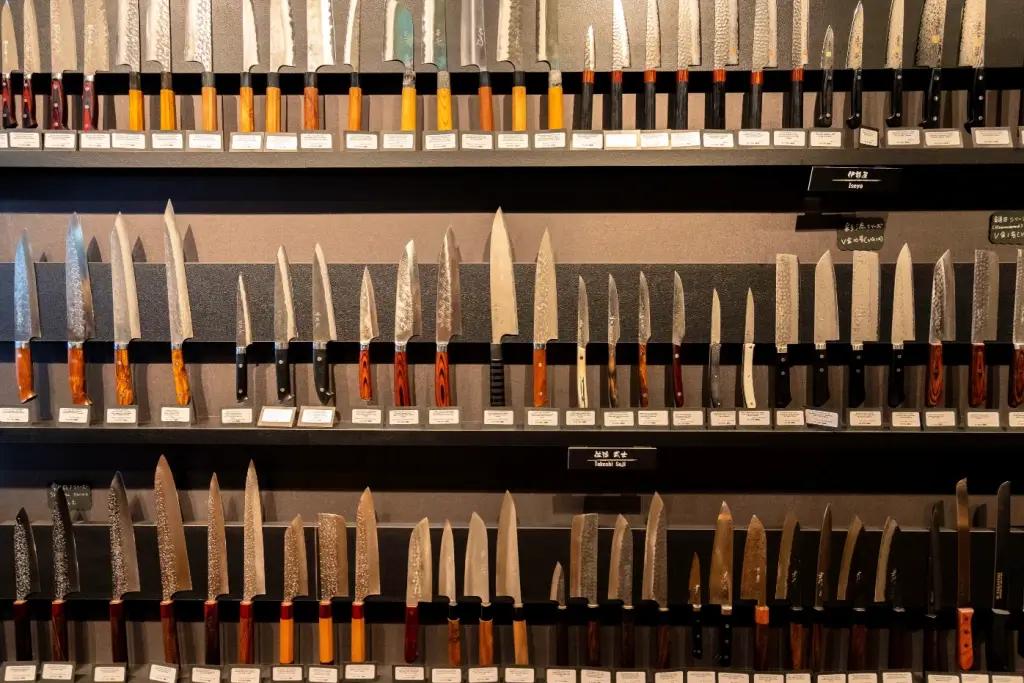
Kappabashi has about 160 specialty shops along its main street and side roads. This area focuses almost entirely on kitchen and restaurant supplies. You can find almost everything here, except fresh food. Shops sell stoves, furniture, garnish cutters, and chopstick rests. Kappabashi is especially famous for Japanese knives.

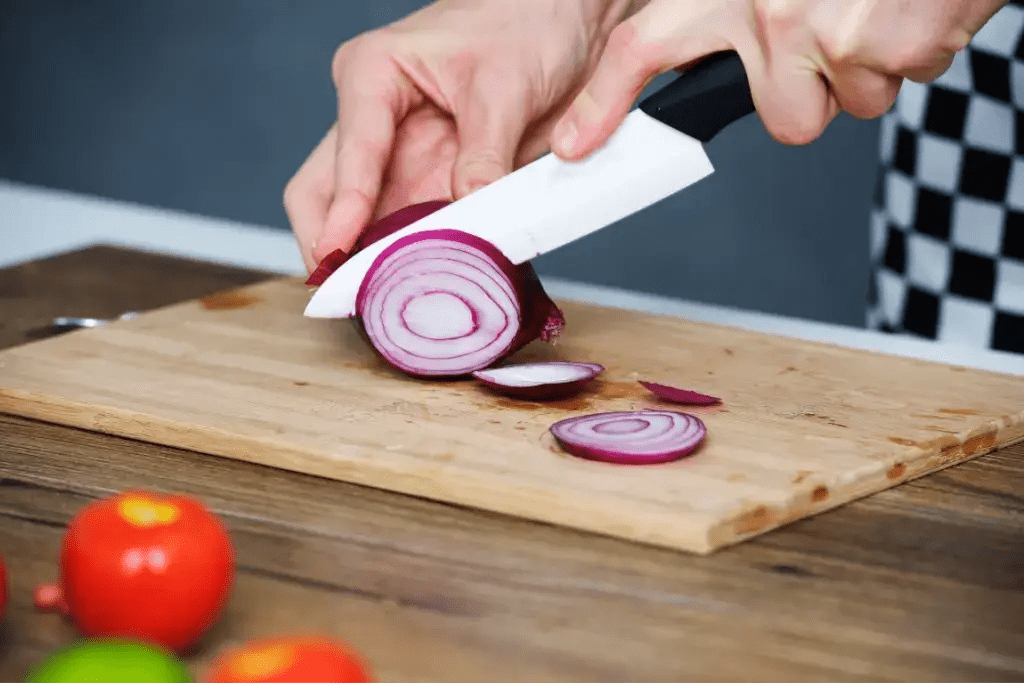
Many shops sell handmade knives and can engrave your name in Japanese. Buying a knife here feels like owning a piece of Japanese culture. The area also has many ceramics and tableware shops.
You’ll find bowls, plates, and cups in a variety of styles. Some designs are rustic, while others are clean and minimalist in style. Prices range widely, with many affordable and practical options.
One of the most surprising parts of Kappabashi is its plastic food sample shops. These realistic models are called sampuru (plastic food displays). Japanese restaurants use sampuru to show precisely what dishes look like. In Kappabashi, you can watch shokunin (skilled artisans) make these fake foods.

They create shiny ramen (Japanese noodles) bowls and perfectly detailed sushi. Many visitors love these shops and stop to browse through them. You can buy fun souvenirs, such as tempura (fried seafood or vegetables) keychains. Some shops sell food-themed phone cases and small gifts. Even without buying anything, the displays are impressive to see.
Are you looking for amazing knives for your kitchen? Check out ZAKU! ZAKU offers authentic knives, handmade in Japan, for all your culinary needs.

Even visitors who don’t like kitchenware can enjoy walking through Kappabashi. The street is fun to look at, with giant knives and whisks signs on the buildings. You’ll also see teacups and frying pans decorating shop fronts. The area feels creative and playful, unlike the more formal shopping districts.
Kappabashi also has a cute mascot called the kappa (mythical water creature). A kappa appears in statues, signs, and souvenirs. Kids especially enjoy spotting the many kappa figures along the street.
The name Kappabashi has a few possible origins. It may come from raincoats once hung near the bridge. Others say it came from a merchant named Kihachi Kappaya.
One of the best things about Kappabashi is its convenient location. It is close to Asakusa’s famous Sensoji Temple. Ueno Park and its museums are also nearby. Many visitors visit Sensoji in the morning and Kappabashi in the afternoon.

This creates a fun blend of culture and shopping. The closest station is Tawaramachi Station on the Ginza Line. It is about a five-minute walk from the station. You can also walk from Asakusa in around ten minutes.
Most shops in Kappabashi welcome everyone, not just restaurant owners. Stores usually open from 10:00 a.m. to 5:00 p.m. Many shops close on Sundays and public holidays. Visiting on a weekday is best to avoid crowds. Weekdays also give you more time to talk with shop staff.

Don’t rush your visit through the main street. Explore the side streets to find unique specialty shops. Some of the best stores are hidden off the main road. If you plan to buy knives or ceramics, consider packing them carefully. Many shops offer protective wrapping if you ask.
Bringing extra space in your luggage can be helpful. Sharp knives may need to go in checked bags when flying. Ceramics should be wrapped carefully to prevent breaking. Some shops sell knife cases or boxes for safe travel. You can also ask about shipping items to your home.
Kappabashi is more than just a shopping street for kitchen supplies. It shows Japan’s deep respect for food, craftsmanship, and beautiful presentation. You might leave with a balanced chef’s knife or handmade ceramic bowls. You may also leave with photos of giant tools and plastic ramen displays.

Regardless, the experience is memorable and unique. Kappabashi is perfect for anyone curious about Japanese food culture. It also appeals to travelers seeking a less typical side of Tokyo. The area blends practicality, creativity, and strong local charm. Each object tells a story about care, culture, and attention to detail. Have you ever visited a street dedicated entirely to kitchen tools? Which Kappabashi shop would you be most excited to explore? Let us know in the comments!
©2026 ZAKU Knife - All rights reserved
SUBSCRIBE TO OUR NEWSLETTER
Bet the first to know about our latest and exclusive deals