Shop Sets
Set Collection


Japan has many traditional kitchen knives, but few are as elegant and delicate as the mukimono knife. This special Japanese knife showcases the skill and artistry that make Japanese cooking so exquisite. It’s famous for its precision, balance, and smooth, clean cuts.
Although it looks smaller than knives like the gyuto or usuba, the mukimono is very important in the kitchen. It is often used for the careful and creative art of food decoration. Continue reading to discover how this knife adds beauty to every dish.
The mukimono hōchō is a small Japanese knife featuring a single sharp edge. It is mainly used for garnishing, decorative food carving, and detailed vegetable work. The word “mukimono” (peeled things or decorative objects) originates from the Japanese art of creating beautiful designs using fruits and vegetables.

This knife is a smaller and thinner version of the usuba (a knife used by professional chefs). The mukimono keeps the usuba’s flat edge and sharp shape, but is lighter and easier to handle. Its blade is usually between 75mm and 210mm long, with 150mm to 180mm being the most common sizes. These sizes make it perfect for precise, careful cutting and creative kitchen work.
At first glance, the mukimono may seem like a knife only for professional chefs. However, its innovative design makes it useful for a wide range of kitchen tasks. Its thin, sharp edge and small size make it great for peeling fruits and shaving vegetables. It also works well for trimming garnishes and making detailed cuts that big knives can’t handle.
The mukimono’s most unique feature is its clipped point, also called a reverse tanto tip. This sharp, angled tip enables chefs to make precise and careful cuts. It was first created for kazari-giri (decorative vegetable carving) and mukimono (garnish art). The pointed shape gives tight control when cutting soft foods like daikon (white radish), cucumber, or apple skin.
Although it’s known for its decorative value, many people love using the Mukimono every day. Its balance and light weight make it easy to handle and fun to use. It’s perfect for slicing small vegetables, trimming herbs, and making thin, delicate cuts for salads and garnishes.

Like all traditional Japanese knives, the mukimono shows great respect for both materials and craftsmanship. High-quality mukimono knives, such as those made by Sakai Ichimonji Mitsuhide, are created with great care and attention to detail.
One well-known example is the White Steel No. 2 Kasumi Mukimono Knife. It is made from Shirogami No. 2 (white carbon steel), which is renowned for its sharp edge and ease of sharpening. The kasumi (mist) finish shows a soft, cloudy pattern between the hard steel edge and the softer iron body. This contrast is a traditional hallmark of Japanese blades, giving the knife both strength and beauty.
The result is a knife that doesn’t just cut, it moves smoothly, almost like painting with precision. Each slice is clean and effortless, reflecting the long tradition of Sakai knife-making, where skill, balance, and purpose are valued above all.
Are you looking for unique knives for your kitchen? Check out ZAKU! ZAKU has authentic knives handmade in Japan for all of your culinary needs!

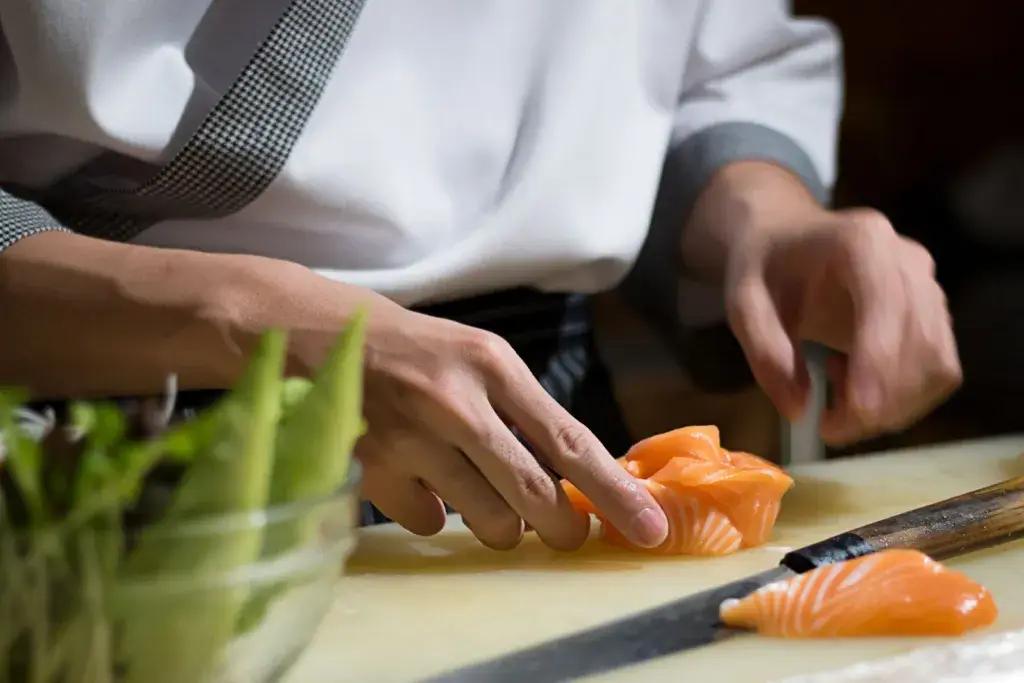
In Japanese cooking, presentation is more than decoration. It shows respect for the ingredients and for the person eating. The mukimono knife is like an artist’s brush in this beautiful food art. Chefs use it to carve detailed designs into radishes, cucumbers, carrots, and even fruit peels. These simple ingredients become tiny works of art, making each dish look elegant and special.
A flower carved from daikon (white radish) or a fan made from cucumber adds color and beauty to the meal. Learning to use a mukimono is about more than knife skills. It teaches patience, focus, and appreciation for small details. Even peeling an apple in one smooth strip becomes a calm and careful act of craftsmanship.
When choosing a mukimono knife, consider your experience level and how you intend to use it. Professional chefs and fans of Japanese cooking often prefer a traditional single-bevel Mukimono made from carbon steel. This type of steel gives the sharpest edge and the most authentic cutting experience.
Home cooks who prefer easier care can opt for stainless or semi-stainless steel instead. Blade length is also essential. A shorter blade, around 150mm, is easier to control for detailed carving. A longer blade, around 180mm, works better for general kitchen tasks.
If you are new to Japanese knives, the White Steel No. 2 Kasumi Mukimono Knife from Sakai Ichimonji Mitsuhide is a great choice. It has excellent balance, a sharp edge, and beautiful craftsmanship. This knife shows the beauty and performance of traditional Japanese blades in a size that’s perfect for everyday use.

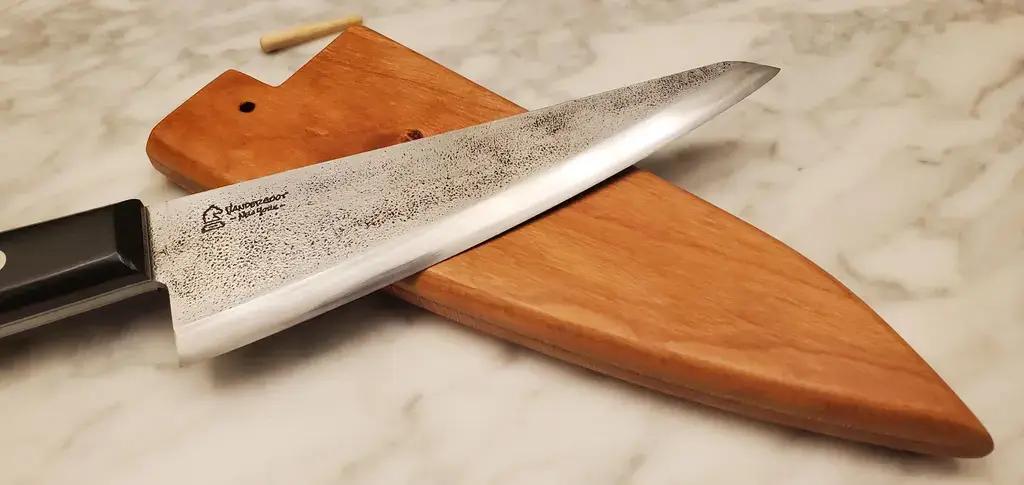
Due to its elegant design and compact size, the mukimono knife makes an excellent gift for cooking enthusiasts or art lovers. It combines beauty and usefulness, inspiring creativity and precision in every cut. When wrapped in a simple wooden box or paired with a handmade cover, a mukimono knife becomes more than a tool. It represents skill, care, and deep respect for the art of cooking.
The mukimono knife may be small, but it carries a long history of skill and artistry. Its design combines beauty, precision, and purpose, making it one of the most elegant Japanese knives. Every cut made with a Mukimono shows care and respect for the ingredients.
Whether you’re a chef, a home cook, or simply love Japanese craftsmanship, this knife adds creativity and grace to your kitchen. Using a mukimono isn’t just about cooking; it’s about practicing an art form that celebrates patience, balance, and attention to detail.
©2026 ZAKU Knife - All rights reserved
SUBSCRIBE TO OUR NEWSLETTER
Bet the first to know about our latest and exclusive deals