Shop Sets
Set Collection


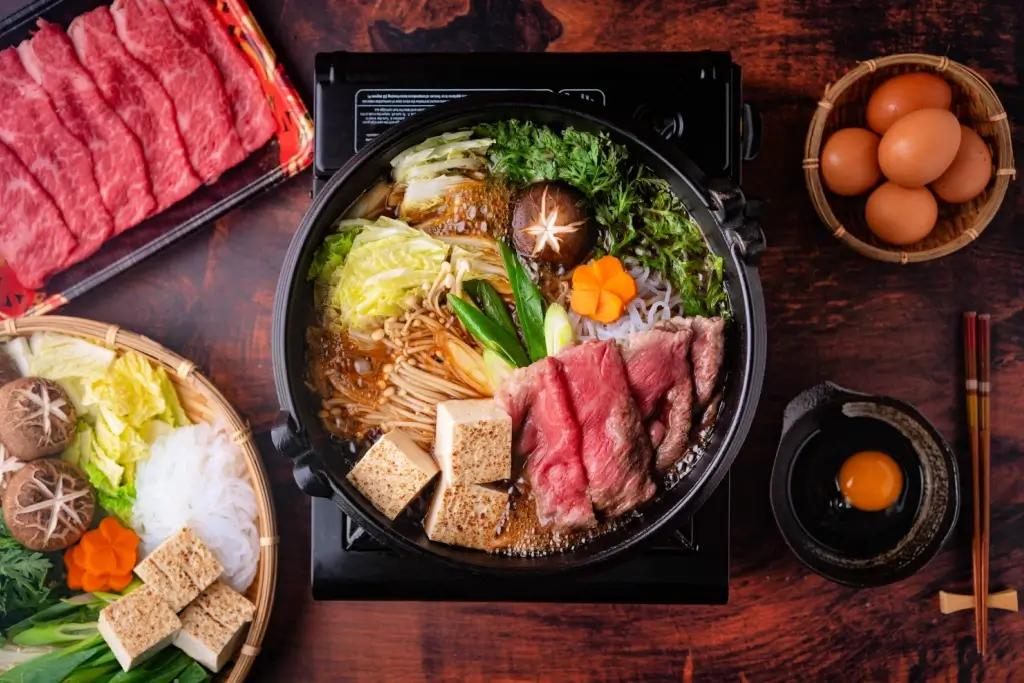
Sukiyaki is thinly sliced beef simmered with vegetables, tofu, and noodles in a sweet-salty broth. It’s a classic hot pot that brings people together. Unlike many traditional Japanese dishes, sukiyaki emerged when Japan opened to the West, blending local flavors with foreign influences. Its rise to national fame reflects cultural change and the simple joy of comfort food.
Beef wasn’t always on Japanese menus. For centuries, Buddhist traditions kept meat off the table, and people stuck to fish, veggies, and rice. Things began to change in the Meiji era (late 1800s), when Japan modernized quickly and began importing beef. High-end restaurants in Tokyo and Yokohama began serving “gyunabe” (beef pot), an early hot pot with beef, veggies, and soy-based broth—basically sukiyaki’s grandparent.

By the 1860s, foreign traders and diplomats in Yokohama were already cooking beef this way, and curious locals picked it up. It was fancy stuff back then, a symbol of Japan’s push toward Western ideas while keeping that communal pot-sharing vibe. Regular folks couldn’t afford it yet, but it laid the groundwork.
Sukiyaki really took off around the 1870s in eastern Japan, especially Tokyo. The name comes from “suki” (to plow or prepare soil, but slang for “like” or “do well”) and “yaki” (grill), hinting at an older way of searing meat on a plowshare. Legend has it that samurai or farmers did that during tough times, but city versions skipped the plow for iron pans.

The classic recipe locked in: premium wagyu beef sliced paper-thin, simmered at the table with shiitake mushrooms, green onions, shungiku chrysanthemum greens, tofu, and later shirataki noodles. It also includes a mix of soy sauce, mirin, sugar, and sometimes dashi—sweet, salty, and just right for dipping into raw egg (raw for that silky coating, pasteurized if you’re cautious). Western influence was evident in the beef focus, but the sukiyaki style remained distinctly Japanese: cooked communally, eaten straight from the pot.
Are you looking for amazing knives to make dishes like sukiyaki? Check out ZAKU! ZAKU has authentic knives handmade in Japan for all of your culinary needs!

Japan splits sukiyaki into two camps, and it’s fascinating how they differ. In the Kanto (Tokyo) style—called “itadakizen“—you cook everything in the soy-mirin broth from the start. It’s sweeter, with sugar caramelizing as it bubbles. Head west to Kansai (Osaka, Kyoto), and it’s “yudare” style: beef is briefly dipped in broth after searing with sugar and soy, keeping the meat tender and the flavors brighter.
Kansai folks swear theirs is original, tracing back to Osaka’s old beef shops. Both use top-notch marbled beef—think Kobe or Matsusaka—but the debate rages on which tastes better
World War II rationing hit hard, but the 1950s economic miracle brought sukiyaki back big time. Home cooks got affordable beef, and sukiyaki parties became holiday staples—New Year’s, Christmas, even birthdays. Restaurants like those in Ginza turned it luxe, serving it with premium wagyu that melts like butter.
It went international, too. American GIs stationed in Japan fell hard during occupation years, taking the idea home (though stateside versions often get sweeter and less authentic). By the 1970s, sukiyaki was in cookbooks worldwide, symbolizing Japan’s cool factor alongside sushi.
These days, sukiyaki thrives at home and out. Chain spots like Sukiya offer quick and affordable meals nationwide—perfect after work. Fancy ryotei (traditional restaurants) do all-you-can-eat with A5-grade beef that’ll ruin you for life. It’s big for winter, but anytime feels right with that steamy pot. Healthier options pop up, too—low-sugar or vegetarian options—but tradition holds strong. Pair it with sake or hot tea, and you’ve got the full experience.

Tokyo has no shortage of excellent places to enjoy sukiyaki, but a few restaurants stand out for their quality, atmosphere, and long-standing reputation. One of the most notable is Sukiyaki Kappo Hiyama in Ningyocho, a refined spot known for premium wagyu and an intimate dining experience. It’s a great choice for anyone looking for a memorable sukiyaki meal in a polished setting.
Another standout is Ningyocho Imahan Shinjuku Dai-ichi Seimei Building in Shinjuku. This well-established restaurant is famous for its top-quality Kuroge wagyu and attentive service, making it a favorite among diners seeking a classic, high-end sukiyaki experience.
A third excellent option is Ishibashi in Suehirocho, a historic restaurant known for its elegant atmosphere and carefully prepared beef. It appeals to diners who enjoy a more traditional setting, thoughtful service, and premium ingredients. For readers planning a sukiyaki-focused Tokyo trip, it’s another strong name worth knowing.

Overall, sukiyaki’s story captures Japan’s knack for mixing old and new—from Meiji-era beef taboo-breaker to family table star. It’s not fussy like kaiseki or raw like sashimi; it’s straightforward comfort that gets everyone involved. Next time you’re in Tokyo, hit a spot near Tsukiji’s outer market for that fresh beef vibe, or try making it at home.
©2026 ZAKU Knife - All rights reserved
SUBSCRIBE TO OUR NEWSLETTER
Bet the first to know about our latest and exclusive deals