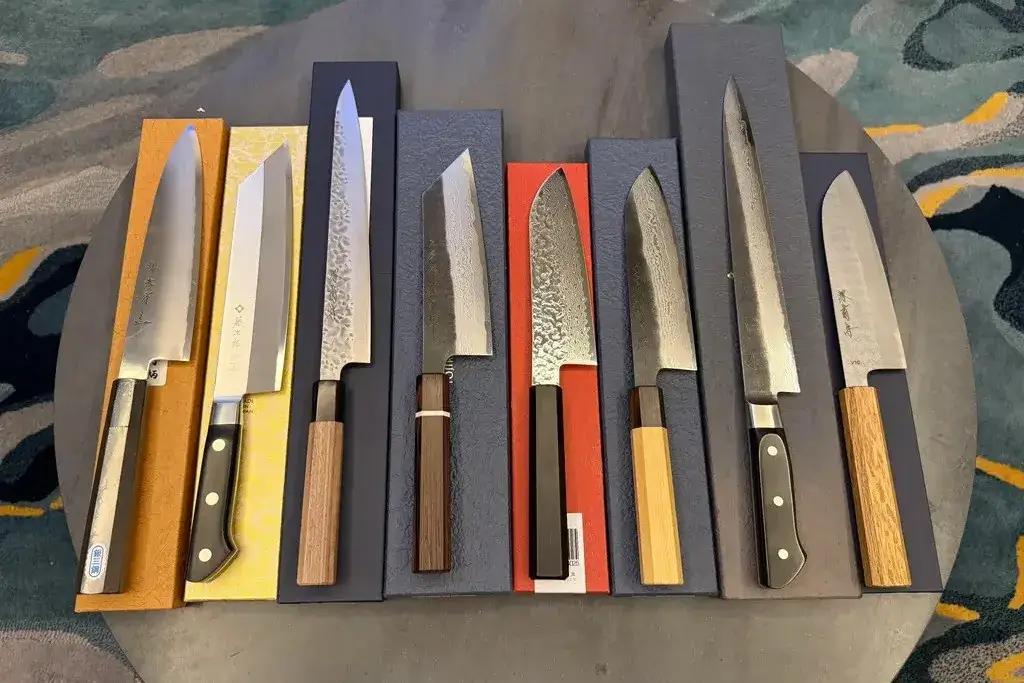
Shop Sets
Set Collection



When you hear the words stainless steel, you might picture shiny kitchen knives gleaming under bright lights. But have you ever wondered what actually makes steel stainless? Or why chefs often talk about the difference between stainless steel and carbon steel knives?
That’s because stainless steel is a kind of metal that resists rust, stains, and wear. It’s one of the most common materials used to make knives because it’s strong, long-lasting, and easy to care for.
Today, we’ll explore what stainless steel really is and how it’s made. We’ll also learn why it’s such an essential material for kitchen knives used by both home cooks and professional chefs.
Stainless steel is a special mix of metals called an alloy. It is primarily composed of iron and chromium, with minor amounts of nickel, molybdenum, and carbon. To be considered stainless, steel must contain at least 10.5% chromium.

Chromium gives stainless steel its rust resistance. When chromium meets oxygen, it creates a thin, invisible layer on the surface. This layer protects the steel from rust and other forms of damage. Even if the steel gets scratched, the layer repairs itself when it comes into contact with air. This self-healing feature makes stainless steel strong and perfect for busy kitchens.
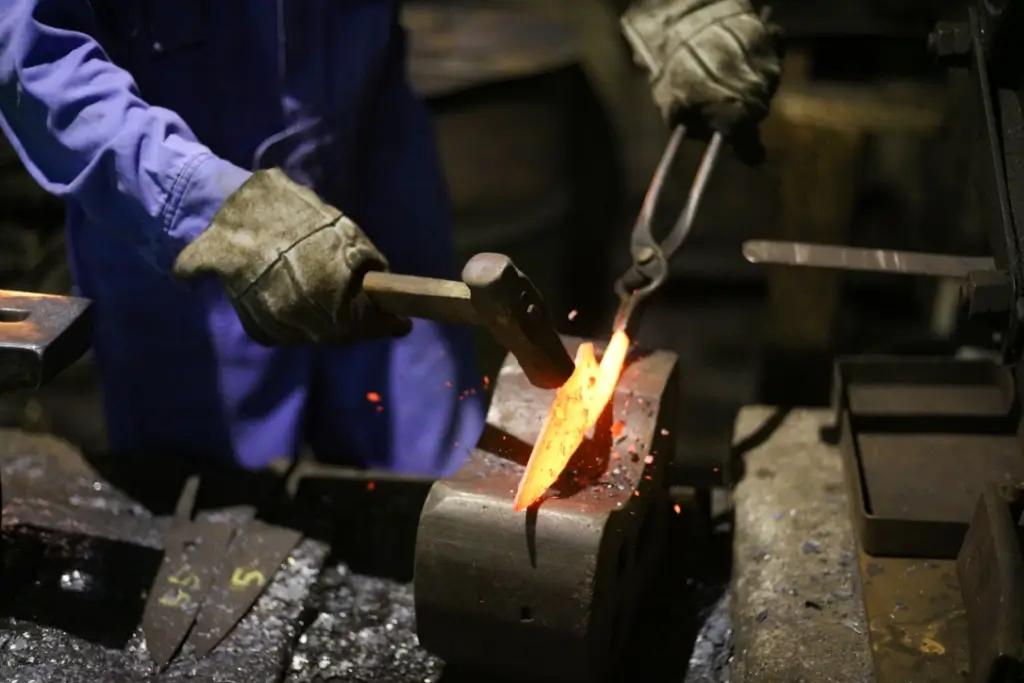
Making stainless steel starts by melting iron, recycled steel, and other metals in a large electric furnace. Once the steel has melted, extra carbon and impurities are removed using specialized cleaning steps.
After that, the steel is shaped into blocks, rods, or slabs. These pieces are rolled, heated, and softened to make sheets or bars. The finished steel is strong, shiny, and rust-resistant, making it ideal for use in buildings, machines, and kitchen knives.
One of the most frequently asked questions among Japanese knife buyers is whether to opt for stainless steel or carbon steel. Both have their strengths and weaknesses. The right choice often depends on your cooking style, maintenance preferences, and budget.
This is the most significant difference between the two types of knives. Stainless steel knives are easy to care for because they have chromium, which helps stop rust and stains. You can use them, wash them, and let them dry without much worry.

Carbon steel knives can rust quickly if they stay wet. They do not have enough chromium to stop rust, so you must wipe and dry them right after use. Over time, carbon steel blades form a patina, which is a blue-gray layer caused by oxidation. This patina helps protect the knife from more rust and gives it a unique, worn look. If you prefer knives that stay shiny and require minimal care, stainless steel is the better choice.
Are you looking for great knives for your kitchen? Check out ZAKU!ZAKU has authentic knives handmade in Japan for all of your culinary needs!

Carbon steel knives typically remain sharp for a longer period. This happens because their metal structure is finer and more complex after forging. Shirogami (white steel) and Aogami (blue steel), are famous Japanese carbon steels. They are renowned for their exceptional sharpness and precise cutting. New technology has created powder stainless steels that bridge the gap between carbon and stainless steels.
Steels like SG2, ZDP-189, and HAP40 resist rust while maintaining a sharp edge, similar to carbon steel. These high-quality steels are used in premium Japanese knives and are prized for their combination of strength and ease of use.

Carbon steels, such as Shirogami, are very easy to sharpen. They work quickly with whetstones and can achieve a super sharp edge with little effort. Stainless steels, especially the harder ones, can be tougher to sharpen. For example, VG10 and AUS8, which are common in Japanese knives, take a bit longer.
Powder steels like SG2 and ZDP-189 are even harder, so they need fine-grit stones and extra patience. If you enjoy sharpening, carbon steel feels smoother and more rewarding. But if you prefer sharpening less often, stainless steel knives are a great choice.
Knife prices depend on the materials used and the manufacturing process. Beginner carbon steel knives, such as Aogami or Shirogami, typically cost between ¥12,000 and ¥22,000 ($80 to $150). They perform very well for the price.
VG10 stainless steel knives have become popular and are often pricier than carbon steel, especially authentic Japanese ones. High-end powder stainless steels, such as SG2 or ZDP-189, start at around ¥45,000 ($300). They last a long time and need very little care, making them an excellent choice for chefs and knife lovers.

Even though carbon steel is very sharp and traditional, stainless steel is the most common choice in kitchens today. It resists rust and stains, even when used with water, acids, or salt. It is cleaner, easier to wash, and great for professional kitchens.
Finally, it’s strong, long-lasting, and works well for all types of chefs. These same features, such as strength and resistance to rust, also make stainless steel popular in buildings, medicine, and the food industry, particularly in Japan.
So, what does stainless really mean? It does not mean that stainless steel never stains, but it rarely rusts or corrodes. This happens because stainless steel has chromium, which protects it from rust and damage. For Japanese kitchen knives, stainless steel is a practical, strong, and easy-to-care-for material. It’s an excellent choice for everyday cooking.

Carbon steel knives, however, are prized for their sharpness and traditional feel, but they require more frequent cleaning and care. The best knife depends on what feels right for you. Think about how it fits your hand and cooking style. Do you prefer the easy care of stainless steel or the sharp edge of carbon steel? Which one suits your kitchen best? Let us know in the comments!
©2026 ZAKU Knife - All rights reserved
SUBSCRIBE TO OUR NEWSLETTER
Bet the first to know about our latest and exclusive deals